My shopping cart
Your cart is currently empty.
Continue Shopping
Every homeowner dreams of a beautiful, functional home without spending a fortune. Discover 10 smart renovation hacks every homeowner should know from this article that will help you achieve incredible results quickly and affordably. From planning to execution, these tips are designed to make your renovation projects smoother and more efficient. Let’s get started!
Renovating your house is more than just a way to refresh your living space—it’s an investment in your comfort, style, and future property value. Every homeowner should know that whether you’re tackling major renovations or smaller DIY projects, you can take on both small and large jobs yourself. The right approach can make all the difference. By planning carefully and considering your financing options, such as home equity loans, personal loans, or using cash, you can take on complex projects that expand your living space and boost your home’s appeal.
Simple upgrades, like installing floating shelves to maximize vertical space or adding smart thermostats for improved energy efficiency, can have a big impact without breaking the bank. Regular repairs are also an important part of maintaining and improving your home, helping to address minor issues before they become bigger problems. When you focus on both the inside and the home’s exterior, you create a cohesive look that enhances curb appeal and daily enjoyment. Remember, every project—no matter the size—contributes to the overall feel and function of your home. With the right tools and a clear vision, homeowners can transform any room into a more inviting and efficient space, making every square foot count.

The cornerstone of any successful home improvement project is proper planning. Avoiding surprises and managing costs effectively are crucial. Planning ahead ensures every aspect of your complex projects and larger projects and small projects is considered and accounted for. Having the right tool for each job is essential for successful planning and execution. This not only helps in generating reliable cost estimates but also keeps your schedule organized around the project timeline. Incorporating DIY projects can further enhance your planning process, which is something every homeowner should know. Additionally, a homeowner should know that developing skills and effective planning is essential for success.
When planning your renovations, prioritize non-negotiable details such as desired results, budget, and timelines. This focus helps streamline the process and ensures that you achieve your goals without unnecessary detours. Be sure to plan for both small and large jobs to ensure nothing is overlooked. Adding a 10-15% buffer to your budget estimates can cover unexpected expenses. Seeking advice can also be beneficial in this process. Be sure to spend wisely. In addition to home equity loans or using cash, consider using credit as a financing option for home improvements. Depending on the project’s size and scope, options like personal loans, credit cards, or home equity lines of credit (HELOCs) may be suitable.
A detailed renovation plan serves as a roadmap to success. It eliminates surprises, organizes the project, and allows for wise investment of effort. Good planning involves not only current goals but also anticipating future needs, ensuring home improvements endure over time and generating innovative ideas.
A successful home improvement project starts with a solid budget. Every homeowner should know that careful financial planning is the key to achieving your dream living space without unnecessary stress. Begin by outlining all anticipated expenses, including materials, labor, permits, and any specialized tools you might need. Don’t forget to set aside a contingency fund—allocating an extra 10-15% of your total budget can help cover unexpected costs that often arise during renovations.
When it comes to funding your projects, explore all your options. Home equity loans are a popular choice for larger renovations, offering competitive rates and allowing you to invest in your home’s future. For smaller projects, using cash or a low-interest credit card can be a smart move. No matter which route you choose, always focus on improvements that deliver long-term value. For example, investing in energy efficiency upgrades like smart thermostats can lead to significant savings on your utility bills, making your home more comfortable and cost-effective.
Prioritize your spending by focusing on the changes that will have the biggest impact on your space and lifestyle. Whether you’re updating a single room or planning a full-scale renovation, a well-crafted budget ensures you can create the home you want without breaking the bank. By planning ahead and making wise investments, homeowners can achieve beautiful, functional spaces that stand the test of time—while saving money along the way.
Making the most of your living space is a top priority for every homeowner, especially when square footage is at a premium. One of the smartest home improvement ideas is to embrace multi-functional design strategies that help you create a more efficient, organized, and stylish home without the need for major renovations.
Start by investing in furniture that does double duty—think storage ottomans, sofa beds, or a kitchen table with built-in shelving. These pieces not only save space but also add a modern touch to your living areas. For example, a desk with integrated shelves can transform a small corner into a productive workspace, while a bed with drawers underneath provides extra storage without taking up additional room.
Don’t overlook the power of vertical space. Installing floating shelves or tall storage units draws the eye upward and keeps your floors clear, making any room feel larger and less cluttered. For those tricky items like bikes or tools, a bit of creativity goes a long way—use sturdy duct tape or ceiling hooks to hang them out of the way, freeing up valuable floor space while keeping everything accessible.
When tackling DIY projects, having the right tools is essential to ensure accuracy and achieve professional-looking results. A putty knife is perfect for filling small gaps or holes, while a high-quality paintbrush or paint sprayer can make painting walls or cabinets a breeze. For more complex projects or larger renovations, consider using home equity loans to finance your upgrades, allowing you to invest in your home’s future without straining your budget. Shopping smart—by waiting for sales or using coupons—can also help you save cash on materials and tools.
Energy efficiency should always be part of your space-maximizing strategy. Installing smart thermostats can help you save money on heating and cooling, especially in winter when energy costs can spike. Simple tricks, like using a garden hose to insulate exposed pipes, can prevent costly repairs and keep your home running smoothly.
Every homeowner should know that learning new skills pays off—whether you’re installing new windows, replacing a kitchen sink, or just fixing a leaky faucet. There are countless resources available, from online tutorials to local workshops, that can help you discover new techniques and tackle projects with confidence. By putting in the effort to develop your DIY skills, you’ll not only save money but also achieve a big impact on your home’s comfort and value.
Ultimately, maximizing your space is about being creative, resourceful, and willing to try new ideas. With the right approach, tools, and mindset, you can transform any room—no matter its size—into a functional, beautiful, and energy-efficient living area that truly feels like home.
One of the smartest moves you can make in home improvement is investing in energy efficiency. Smart thermostats are a game-changer in this regard. These devices optimize your heating and cooling systems based on your unique schedule, learning your habits and adjusting settings automatically to minimize human intervention.
Smart thermostats can reduce energy consumption by 10-15%, leading to substantial saving on utility bills. Imagine the big impact this can have on your monthly expenses, not to mention the positive effect on the environment.
Smart thermostats are simple and user-friendly, enhancing energy efficiency without constant attention. These devices lead to significant reductions in energy bills over time, making them a worthwhile investment.
DIY projects are a fantastic way for homeowners to save money, personalize their space, and develop new skills along the way. Tackling small projects, like painting a wall or fixing a leaky faucet, can often be done in less than a minute with the right tools and a bit of know-how. For more complex projects, such as updating a kitchen or renovating a bathroom, it’s important to gather essential tools like a putty knife, duct tape, garden hose, and quality paint to ensure accuracy and achieve professional results. A five-gallon bucket is a remodeler's best friend for mixing, hauling, and organizing materials during projects.
Don’t be afraid to get creative—repurposing old doors or windows can add unique character to your home, whether you’re creating a custom room divider or a decorative wall feature. For example, painting a door with a fresh color or adding a draft stopper can enhance both the look and energy efficiency of a room. When installing new fixtures or working on renovations, always take the time to measure carefully and double-check your work to ensure accuracy. Investing effort into learning new skills pays off, as each completed project builds your confidence and adds value to your living space. With a little planning and the right materials, homeowners can create beautiful, functional rooms that reflect their personal style and make everyday life more enjoyable.
When it comes to maximizing your living space, thinking vertically can make a world of difference. Utilizing:
Floating shelves, for example, serve a dual purpose: they offer storage solutions while also acting as decorative elements in any room. When installing floating shelves or pegboards, consider choosing the right material—such as wood, metal, or plastic—to ensure durability and to match your home's style. Whether it’s your living room, kitchen, or bedroom, floating shelves can help you store and display items without taking up precious floor space.
Pegboards are another versatile storage solution that can hold tools or supplies in various rooms, optimizing vertical space. Maximizing vertical storage, especially in small spaces, creates additional room for belongings without overcrowding your environment. This approach is perfect for those looking to maximize space without extensive renovations.

A fresh coat of paint can significantly boost your home’s curb appeal and overall appearance. This simple yet effective improvement enhances beauty and serves practical purposes.
New paint offers several benefits for your home’s exterior:
When painting, prevent paint splatter and mess by covering paint cans with rags or paper towels and securing the lid tightly.
A well-executed paint job can increase your home’s market value by 2-5%, appealing to potential buyers. It conveys care and maintenance, crucial for attracting prospective homeowners who are willing to pay.
For a cost-effective way to enhance your home’s exterior, painting is the way to go.
A kitchen backsplash blends form and function, enhancing appearance while protecting walls from spills and stains. Stone, tile, or peel-and-stick options can add instant style to your kitchen sink.
There are thousands of patterns and materials to choose from, allowing you to customize your backsplash to match your kitchen’s décor. Peel-and-stick backsplashes offer a quick and easy installation, while traditional tile provides a more permanent and professional finish.
The cost of installing a kitchen backsplash ranges from $100 to $500, making it an affordable home improvement project. Minimal effort and investment can transform your kitchen into a stylish and functional space.
Upgrading bathroom fixtures modernizes the space without major renovations. You can replace hardware, mirrors, and fixtures—such as faucets, drawer pulls, and towel bars—to improve the appearance or functionality of your bathroom without a full renovation. Replacing these outdated components enhances the overall aesthetic and can fix any design inconsistencies, putting a fresh spin on your bathroom.
This home improvement doesn’t have to break the bank. The average cost range for replacing bathroom hardware is $25-$500, making it a budget-friendly option. Practical and stylish options like layered lighting can enhance your bathroom’s functionality and ambiance.
If you’re looking for additional storage, consider installing a cabinet above the toilet or opting for readymade bathroom vanities that can be customized to fit your style. These small changes can give your bathroom a fresh, modern look when done with friends, without extensive remodeling.
Future-proofing your home is one of the smartest investments any homeowner can make. By focusing on home improvements that boost energy efficiency and adapt to changing needs, you not only increase your property’s value but also create a more comfortable and cost-effective living space for years to come.
Start by identifying projects that deliver a big impact on both your wallet and your daily life. For example, installing smart thermostats is a forward-thinking move that helps regulate your home’s temperature efficiently, saving energy and reducing utility bills. Pair this with DIY projects like adding insulation to your walls and ceilings—these upgrades are relatively simple to tackle and can dramatically improve your home’s energy performance.
Maximizing vertical space is another key strategy. By creating storage solutions that go up rather than out, you free up valuable floor area and make your living space feel larger and more organized. Whether you’re renovating a single room or planning larger projects, always consider how each improvement will serve you in the future. Focus on flexible layouts, durable materials, and energy-saving features that will stand the test of time.
By investing in these smart renovation strategies, homeowners can achieve a home that’s not only stylish and functional today but also ready to meet the demands of tomorrow. With a little planning and the right approach, your next renovation can set you up for lasting comfort, savings, and peace of mind.

Outdoor spaces are becoming as essential as indoor ones, offering a retreat for relaxation and entertaining. Simple upgrades, like organizing your garden hose, can transform your backyard or patio into an inviting living area. Outdoor fireplaces or fire pits create focal points that invite social gatherings and enhance usability. Discover how these elements can elevate your outdoor experience.
Decks and patios serve as versatile surfaces for outdoor furniture, creating comfortable and functional living areas in a convenient spot. These additions increase usable square footage, perfect for barbecues, get-togethers, or quiet moments outdoors.
Creating an outdoor living area enhances your home’s exterior and extends your living space. This idea is perfect for those looking to maximize outdoor areas without extensive renovations.
Enhancing your home’s exterior is one of the most rewarding home improvement projects you can tackle. Transforming your landscape not only boosts curb appeal but also creates inviting outdoor spaces for relaxation and entertaining. Start by thinking creatively—simple DIY projects like installing floating shelves on a patio wall or organizing your garden hose with a clever storage solution can instantly tidy up your yard and add a touch of style.
Don’t overlook the power of vertical space in your landscape design. Adding trellises, wall planters, or even vertical gardens can make your outdoor area feel larger and more dynamic. For a quick and budget-friendly fix, use duct tape to secure plants or craft unique planters from repurposed containers—these small projects add personality and charm to your garden.
Consider larger upgrades, such as installing new windows or doors, to improve both the look and energy efficiency of your home’s exterior. These changes not only enhance style but also help save on energy costs year-round. By putting in the effort and investing in your outdoor space, you can create a beautiful, functional environment that reflects your personal taste and increases your home’s value. Whether you’re planting flowers, building a small patio, or simply refreshing your entryway, every improvement—big or small—makes a difference in creating a welcoming and attractive home.
Insulated curtains boost energy efficiency by decreasing heat loss in winter and blocking heat gain in summer. Properly installed insulated cellular shades can cover your windows and save up to 10% on heating energy by minimizing heat loss.
Easy to install, these curtains offer immediate benefits by creating an air barrier, enhancing thermal comfort and energy efficiency. Closing medium-colored drapes with white backing in summer can cut heat gains by one-third, improving energy efficiency.
Adding insulated curtains is a simple yet impactful improvement to consider. They reduce energy costs and enhance the overall comfort of living spaces.
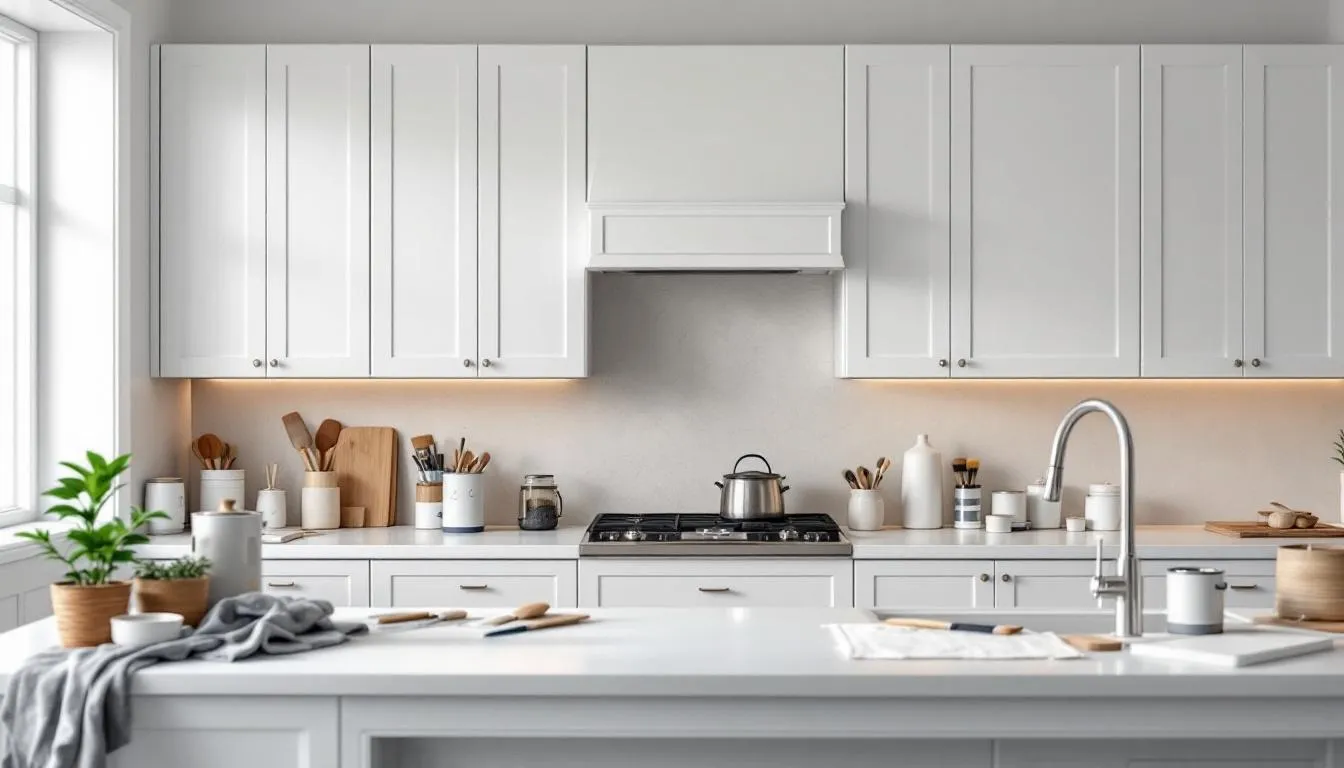
Repainting cabinets revamps the look of your kitchen or bathroom without major renovations. This small but strategic DIY change can significantly transform your space, giving it a fresh and modern feel.
The process involves several steps:
A shellac or oil-based primer minimizes brush marks and enhances adhesion. For the best finish, apply multiple thin coats of paint tips rather than one thick coat.
Repainting cabinets is cost-effective, with average costs ranging from $200 to $600. This time and effort can breathe new life into your kitchen or bathroom, making it a worthwhile investment of cash for any homeowner.
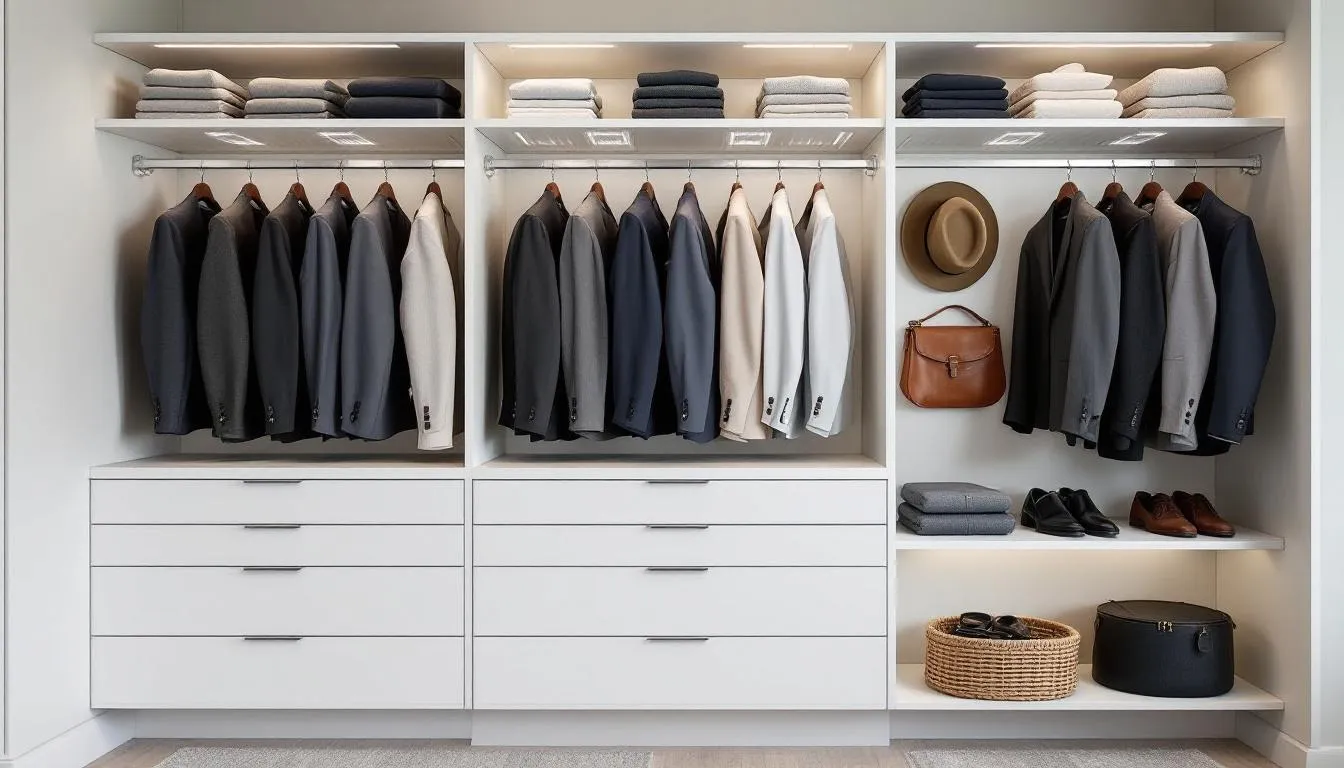
Custom closet organizers maximize storage space and keep belongings neatly arranged. Tailored to specific items or categories, they facilitate better organization and quicker access.
Increased organization from custom closets reduces stress and improves time management in daily routines, often taking less than a minute. A well-organized closet achieves a fine clutter-free living environment, making your home more functional and enjoyable.
Investing in custom closet organizers is a smart improvement that pays off in the long run. It saves money by optimizing space and enhances the overall functionality and aesthetics of your home. By choosing to invest in these organizers, especially through home equity loans you can maximize your home’s potential.
As a homeowner, staying proactive with home improvements is one of the smartest ways to protect and enhance the value of your living space. By applying the tips and ideas from this article, you can create a home that’s not only beautiful and functional but also energy efficient and cost-effective. Prioritizing energy efficiency—like installing smart thermostats or insulated curtains—can lead to significant savings and a more comfortable environment year-round.
For complex projects or major renovations, don’t hesitate to explore financing options such as home equity loans or credit cards to help manage costs. When accuracy and quality are essential, especially for larger projects, consider hiring professionals to ensure the job is done right. For smaller DIY projects, embrace creativity and try out new skills—using duct tape for quick fixes, adding floating shelves to maximize vertical space, or experimenting with different layouts in your living areas can all make a big impact without breaking the bank.
Focus on one room or project at a time to avoid feeling overwhelmed, and don’t be afraid to ask friends or family for advice or a helping hand. Winter is an ideal season for tackling indoor jobs like painting, installing new windows, or replacing old doors to boost both style and energy efficiency. When it comes to paying for your projects, weigh the benefits of using cash, credit, or home equity loans to find the best fit for your budget and goals.
Every homeowner should know the basics of repairs and maintenance—simple tasks like fixing a leaky faucet, replacing a light switch, or using a putty knife for patching can save you both time and money. Keeping essential tools in a convenient spot will make your DIY journey smoother and more enjoyable.
Home improvement is a journey that rewards patience, effort, and a willingness to learn. By following these tips and ideas, you’ll discover the difference that even small projects can make in your daily life. Whether you’re investing in major renovations or tackling quick fixes, you have the power to create a living space that reflects your style and meets your needs for years to come.
Summing up, the key to successful home improvements lies in strategic planning and smart investments. From planning your renovation projects wisely to boosting energy efficiency with smart thermostats and utilizing vertical space for storage solutions, each hack offers unique benefits that contribute to a better living environment.
Whether it’s refreshing your home’s exterior with a fresh coat of paint, installing a stylish kitchen backsplash, or modernizing your bathroom fixtures, these ideas are designed to elevate your space efficiently. Creating an outdoor living area, adding insulated curtains, and repainting cabinets are just a few examples of how small changes can make a big impact.
By implementing these renovation hacks, you can transform your home into a more functional, stylish, and energy-efficient space. So, roll up your sleeves and get started on your renovation journey today. The results will be well worth the effort.
If you’re eager to expand your home improvement skills or take on more complex projects, there’s a wealth of resources available to help you succeed. Online articles, step-by-step videos, and interactive courses offer practical tips on everything from boosting energy efficiency to mastering interior design. Platforms like Family Handyman DIY University, for example, offer free modules accessible through their site. Don’t overlook the value of advice from friends or family members who have tackled similar DIY projects—they can share insights, recommend tools, and even lend a helping hand.
Local hardware stores and home improvement centers are also excellent places to discover new skills. Many offer workshops and classes on essential topics like plumbing, electrical work, and carpentry, giving you hands-on experience with the tools and techniques you’ll need. By tapping into these resources, homeowners can save money, avoid common pitfalls, and create a living space that truly meets their needs. Whether you’re fixing a small issue or planning a larger project, the right advice and support can make all the difference in achieving a successful, stress-free renovation.
To be safe, it's smart to budget an additional 10-15% on top of your renovation costs for any unexpected expenses that may come up. This way, you'll be better prepared for surprises!
Using smart thermostats, combined with energy-efficient windows, can significantly reduce your energy consumption by 10-15%, which means you’ll save money on your utility bills while enjoying a comfortable home. It's a smart investment for both your wallet and the environment!
Maximizing storage in a small space is all about using vertical areas effectively—think wall-mounted organizers, floating shelves, and pegboards to keep things off the floor and organized. This approach will help you create more room for your stuff without feeling cramped.
Repainting your kitchen cabinets usually costs between $200 and $600, so it’s a budget-friendly option to refresh your space. If you’re looking to give your kitchen a new look without a complete remodel, this could be just what you need!
For the best results when repainting cabinets, consider following professional paint tips.
Insulated curtains, or insulated cellular shades, really boost energy efficiency by preventing heat from escaping in winter and keeping it out in summer, which helps save on energy bills and allows you to fix climate issues, keeping your home more comfortable year-round.

Trade Program
Are You a Trade Professional?
Architects, designers, and contractors receive exclusive pricing and dedicated project support.
Learn About Trade Pricing →Get Started
Our team can help with product selection, sizing, and specification — at no charge.


