My shopping cart
Your cart is currently empty.
Continue Shopping
Your front door makes a bigger impact on your home’s value than you might think. According to real estate industry data, there are six signs it’s time for a quality entry door replacement that can increase perceived home value by 3.2% to 6.6% – potentially adding up to $24,840 to a $403,000 home. Even more striking, door color alone can influence sale prices by thousands of dollars, with homes featuring black front doors selling for an estimated $6,449 more than similar properties.
The entry door serves as the focal point of your home’s curb appeal and can enhance curb appeal, creating the critical first impression for potential buyers. It’s one of the most interaction-heavy surfaces during home showings – buyers walk up to it, touch it, open it, and form immediate judgments about the entire property’s condition and value.
Unfortunately, many homeowners unknowingly sabotage their home’s market appeal with doors that signal neglect, outdated style, or functional problems. Here are the key signs it's time to recognize when your entry door is hurting your home's value.
Your front door is more than just an entryway—it’s a defining feature of your home’s exterior that sets the tone for the entire property. As the first point of contact for guests and potential buyers, a well-maintained front door can dramatically enhance curb appeal and elevate your home’s overall aesthetic. On the other hand, a worn out or outdated door can quickly detract from your home’s appearance, signaling neglect and reducing perceived value.
Beyond looks, the front door plays a significant role in your home’s energy efficiency and security. An outdated door may allow drafts, leading to higher energy bills and less comfort inside your home. It can also pose security concerns if it’s no longer structurally sound. Recognizing the signs that it’s time for a new front door—such as visible wear, poor insulation, or difficulty opening—can help you protect your investment and enjoy a more beautiful, efficient, and secure home. In this guide, we’ll explore why your front door matters, the key signs it’s time for a replacement, and the benefits of upgrading to a new front door.
The most immediate way your entry door can hurt your home’s value is through poor visual presentation. Faded, peeling, or chipped paint makes your home look neglected to potential buyers, directly diminishing your home’s appearance and reducing its curb appeal, as the front door is a focal point for first impressions. A worn or outdated entry door can negatively impact your home's appearance, making the entire property look less attractive and well-maintained. The entry door is a major factor in shaping your home’s appearance, and an outdated or unattractive door can significantly detract from the overall look of your house.
Real estate agents consistently report that an unattractive front door creates the first negative impression for buyers, coloring their perception of the entire property tour. When buyers see a shabby entry door, they immediately begin mentally subtracting renovation costs from their potential offer or move on to easier options entirely.
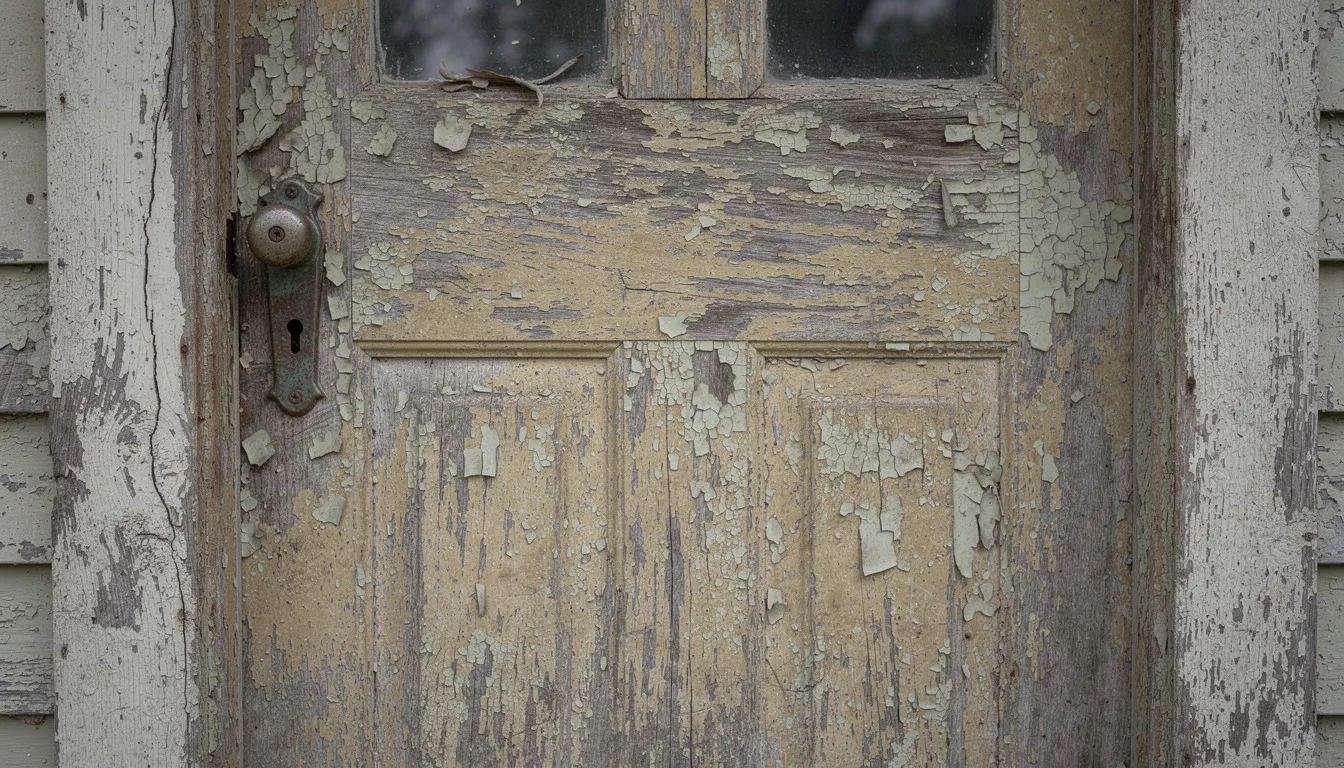
Outdated door styles from the 1980s and 1990s can decrease perceived home value by $3,000 to $5,000, particularly when they clash with updated exterior elements. Common value-draining style problems include:
The impact of door color on home value has been quantified through market analysis. Zillow’s research of thousands of listing photos and sale prices found that certain colors significantly affect buyer behavior. While black front doors correlate with homes selling for $6,449 more than expected, pale pink doors are associated with properties selling for $6,516 less than similar homes, ultimately affecting the home’s energy efficiency . Slate blue doors also appeal to buyers, with respondents indicating willingness to pay roughly $1,537 more for homes with that door color.
In competitive real estate markets, an outdated appearance can anchor your home in a past era, making it feel “off” compared to nearby properties with modern, well-maintained entries. This stylistic mismatch reduces both buyer enthusiasm and your ability to command premium pricing. Choosing a front door that reflects your personal style and complements your home’s design is essential for enhancing curb appeal and increasing perceived value.
Physical damage to your entry door sends powerful signals about overall property maintenance to potential buyers. Cracks, warping, or rot indicate long-term moisture problems and suggest buyers will face immediate repair costs. Entry doors often suffer the most abuse of any exterior feature due to constant exposure to weather and frequent use, making them especially prone to visible wear and tear. Water stains around the door frame are particularly concerning, as they hint at ongoing moisture infiltration that could affect the home’s structural integrity.
Common forms of visible damage that concern buyers include:
These problems create both visual and functional issues that buyers experience firsthand during showings. When potential buyers struggle with a sticking door or feel cold drafts around the frame, it reinforces negative impressions about the property’s overall condition.
Home inspectors frequently flag damaged doors as maintenance concerns, which can lead to repair negotiations that reduce your final sale price. The door’s condition often influences buyer assumptions about hidden problems throughout the house – if the most visible component is neglected, what issues might exist in the roof, plumbing, or electrical systems?
Security concerns directly impact buyer willingness to pay asking price, and entry doors play a central role in perceived home safety. Outdated locks or single-pane glass near the door handle are a common security issue that should be addressed promptly to maintain home safety, as they suggest easy break-in potential, turning your entry door into a security risk while loose door frames create gaps that compromise the entire security system.
Modern buyers expect certain security standards that older doors often fail to meet:
A door that looks like an easy target undermines buyer confidence and can eliminate security-conscious purchasers from your potential buyer pool. Iron doors, for example, are marketed as premium security upgrades that provide “an extra layer of protection,” and security-focused buyers may pay premiums for such features.
The psychological impact of perceived safety affects pricing negotiations. Buyers who feel uncertain about security often subtract the cost of upgrades from their offers or simply move on to properties that feel more secure from the start.
Today’s buyers are increasingly aware of energy performance and lifetime operating costs, making drafty doors a significant liability. Potential buyers can easily detect drafts around the door frame during showings, especially when cold air seeps through and visible gaps that allow light to show through indicate poor sealing that wastes energy year-round. Leaking air around the entryway is a common problem that leads to energy loss and reduced comfort. An aging or poorly sealed entry door can decrease your home’s energy efficiency by reducing insulation and causing increased energy costs. The entry door is a critical factor influencing your home's energy efficiency, directly affecting comfort and utility bills.
Single-pane glass or lack of insulation in older doors creates noticeable temperature differences that buyers experience immediately. When the front hall feels chilly in winter or sweltering in summer, it signals inefficiency throughout the home and raises concerns about ongoing utility expenses. Temperature fluctuations near the entryway are a clear sign of poor insulation or sealing.
Modern energy-efficient doors feature several technical improvements over older models:
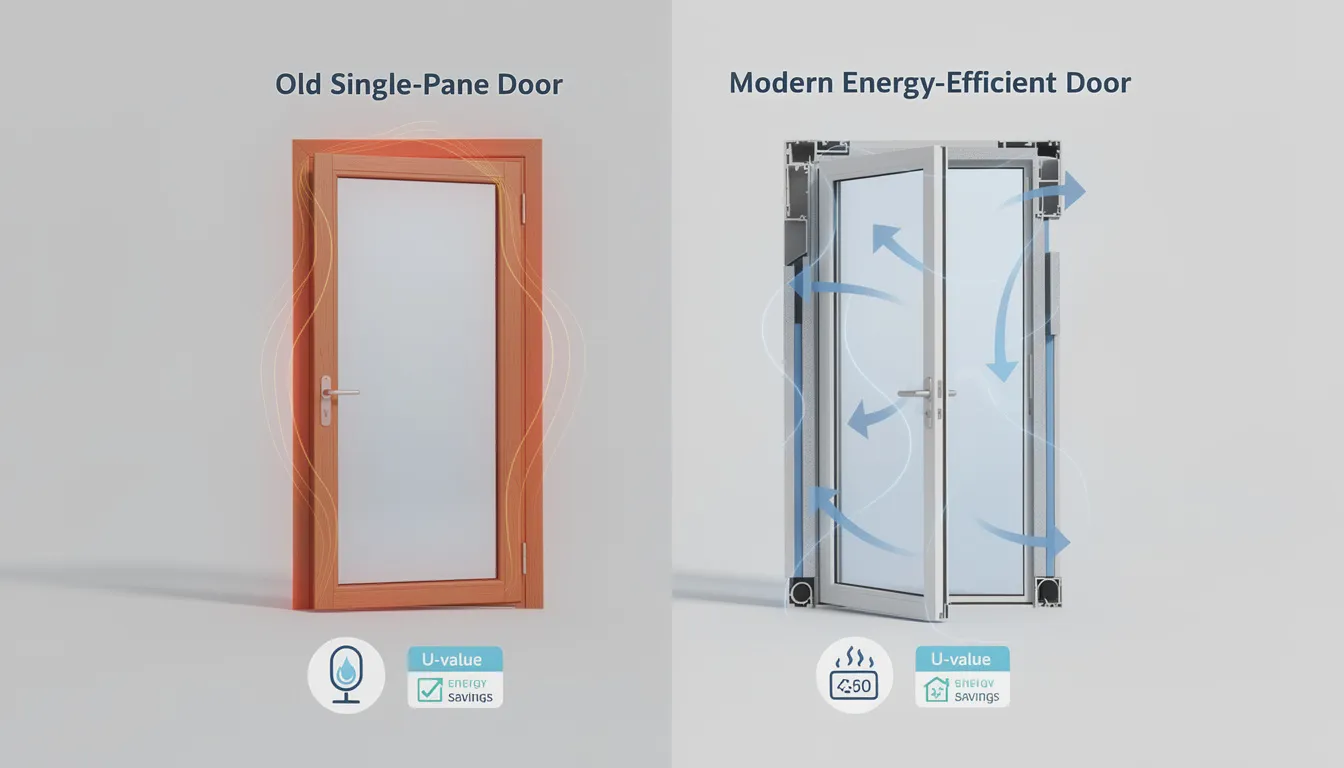
Energy efficiency has become a selling point that buyers factor into their value calculations. Upgrading exterior doors can significantly improve a home’s energy efficiency and reduce drafts. Homes with visible energy upgrades often command higher prices, while properties with obvious inefficiencies face buyer resistance and lower offers.
Buyers increasingly request utility bill history and factor ongoing operational costs into their purchase decisions. Poor door insulation can add $200 to $400 annually to heating and cooling costs – expenses that accumulate significantly over homeownership periods.
Market research shows that energy-efficient homes sell for 2% to 4% more than comparable properties with obvious efficiency problems. Home inspectors frequently flag drafty doors as concerns during formal inspections, creating another opportunity for buyers to negotiate repairs or price reductions. Visible gaps or drafts are a sure sign that your entry door is costing you money in energy loss.
The financial impact extends beyond immediate energy costs. Buyers often view inefficient entry doors as indicative of broader maintenance needs, mentally discounting the property by the estimated cost of updating the entire building envelope. When your current door clearly wastes energy, it undermines claims about being an “energy-efficient home” and reduces buyer confidence in the property’s overall performance.
Difficulty opening or closing your entry door suggests foundation settlement, frame problems, or structural issues that concern potential buyers. When doors stick in certain weather conditions, it indicates moisture infiltration or dimensional changes that could affect the entire structure. In shaded entryways, a lack of direct sunlight can also contribute to mold or mildew buildup, especially in doors with glass panes.
Functional problems that buyers notice during showings include:
Upgrading to new, matching door sets can resolve these operational problems and significantly improve your home's first impression.
These issues make buyers worry about costly underlying problems beyond just the door itself. Foundation movement, moisture damage, or structural settling often manifest first through door operation problems, making functional issues powerful signals about potential hidden costs.
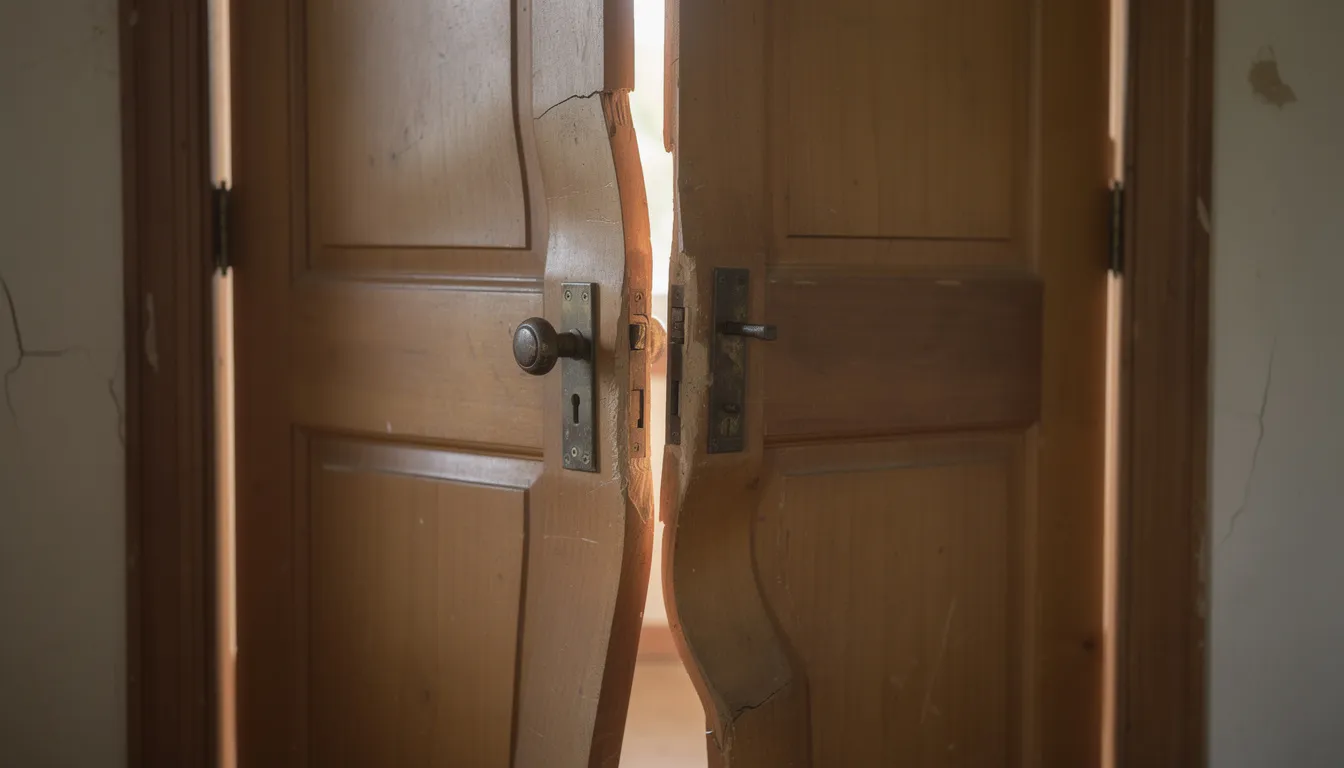
Real estate agents report that buyers frequently comment on door problems during tours, using them as negotiating points or reasons to reduce offers. When basic components don’t function smoothly, it reinforces impressions about deferred maintenance and raises questions about what other systems might need attention.
The door’s operation provides immediate feedback about build quality and maintenance history. Smooth, quiet operation suggests careful upkeep, while problems indicate either poor installation or long-term neglect – neither scenario appeals to buyers seeking move-in ready properties.
A well maintained door frame is the unsung hero of your front door’s performance, playing a significant role in your home’s curb appeal, energy efficiency, and security. There are clear signs it's time to replace your door frame, such as visible wear, gaps, and other symptoms that indicate the frame is no longer functioning properly. Over time, however, even the sturdiest door frames can fall victim to wear and tear, extreme weather conditions, and poor insulation—leading to a host of problems that can quietly undermine your home’s value.
One of the most telltale signs of door frame deterioration is visible wear, such as peeling paint, cracks, or gaps around the frame. These issues not only detract from your home’s appearance but also signal that the frame is no longer providing a proper alignment or tight seal. As a result, cold air can seep in during winter and warm air can escape in summer, causing your energy bills to climb and your home’s energy efficiency to drop. Air leaks and poor insulation around a worn out door frame force your heating and cooling systems to work overtime, which can significantly impact your monthly expenses.
Difficulty opening or closing your door is another red flag. Loose hinges, structural damage, or a warped frame can make the door stick or fail to latch securely. Left untreated, these problems can worsen, leading to more extensive structural damage and even water damage if moisture finds its way inside. In some cases, mold growth can develop in areas where water has penetrated, threatening your home’s structural integrity and indoor air quality.
A deteriorated door frame also poses a security risk. Gaps, weakened wood, or misaligned hardware make it easier for intruders to force entry, undermining the safety of your home. For homeowners looking to enhance curb appeal and protect their investment, these are clear signs it’s time to consider replacing your front door and frame.
Regular maintenance—such as inspecting for visible wear, tightening loose hinges, and addressing minor repairs—can help extend the life of your door frame. However, if you notice significant deterioration, investing in a new front door with a modern design, insulated cores, and better insulation is often the perfect solution. Not only will a new door set improve your home’s appearance and energy efficiency, but it can also provide a significant investment in your property’s value and security.
If you’re seeing signs of door frame deterioration, don’t wait until the problems escalate. Replacing your front door and frame can breathe new life into your home’s exterior, reduce energy loss, and ensure your entryway makes the right first impression—both for guests and potential buyers.
Contemporary buyers have different expectations than previous generations, and doors that seemed adequate years ago may now feel outdated or inadequate. The absence of smart lock compatibility or modern security features can make your entry feel behind the times, especially for tech-savvy buyers.
Modern buyer expectations include features that many older doors lack:
Design-conscious buyers, particularly millennials and Gen Z entering peak buying years, are highly sensitive to style mismatches and outdated finishes. A door that might have satisfied previous generations can now be perceived as lacking modern design, appearing “tired,” “basic,” or “builder-grade,” directly affecting pricing negotiations.
The trend toward smart home integration means buyers expect compatibility with modern security and automation systems. Doors that can’t accommodate these features require additional investment that buyers factor into their offers.
Selecting the right front door is more than just a cosmetic upgrade—it’s a decision that can significantly impact your home’s curb appeal, energy efficiency, and overall value. If you’ve noticed signs it’s time to replace your front door, such as visible wear, difficulty opening, poor insulation, or peeling paint, it’s wise to start exploring your options before these issues lead to bigger problems like mold growth or structural damage.
Modern doors come in a range of materials, each offering unique benefits. Wood doors are a timeless choice, lending natural beauty and warmth to your home’s exterior. However, they do require regular maintenance to stay well maintained and can be more susceptible to weather-related wear if left untreated. Fiberglass doors are a popular alternative, prized for their durability, energy efficiency, and resistance to warping or cracking. For homeowners with security concerns, steel doors provide robust protection and are less likely to suffer from loose hinges or visible damage over time.
When choosing a new door, consider how it will complement your home’s architecture and enhance curb appeal. A door that matches your personal style and the overall aesthetic of your home can create a welcoming entryway and boost home value. Think about the amount of natural light you want to introduce—modern designs often incorporate glass panels or sidelights to brighten your entry without sacrificing energy efficiency.
Energy bills are another important factor. Outdated doors with poor insulation or visible gaps can lead to energy loss and higher utility costs. Upgrading to an energy efficient door with proper alignment and insulated cores can help maintain comfortable indoor temperatures and reduce drafts, especially during extreme weather conditions.
Don’t overlook the importance of regular maintenance, even after installing a new front door. Keeping your door in top condition with periodic inspections and minor repairs can extend its lifespan and ensure it continues to perform well for years to come.
If you’re seeing clear signs that your current door is worn out or no longer meets your needs, replacing your front door is the perfect solution. Not only will a new door breathe new life into your home’s exterior, but it will also provide better insulation, improved security, and a fresh, modern look that can significantly impact your home’s appearance and value. Take the time to choose the right door for your home, and you’ll enjoy the benefits of enhanced curb appeal, lower energy bills, and peace of mind for many years ahead.
Understanding the financial benefits of addressing door problems helps prioritize this often-overlooked upgrade. Quality entry door replacement typically returns 65% to 75% of investment at resale, making it one of the most cost-effective home improvements available.
According to industry data, new doors can increase home value by $1,000 to $8,000 depending on material choice and installation quality. Some materials offer exceptional returns:
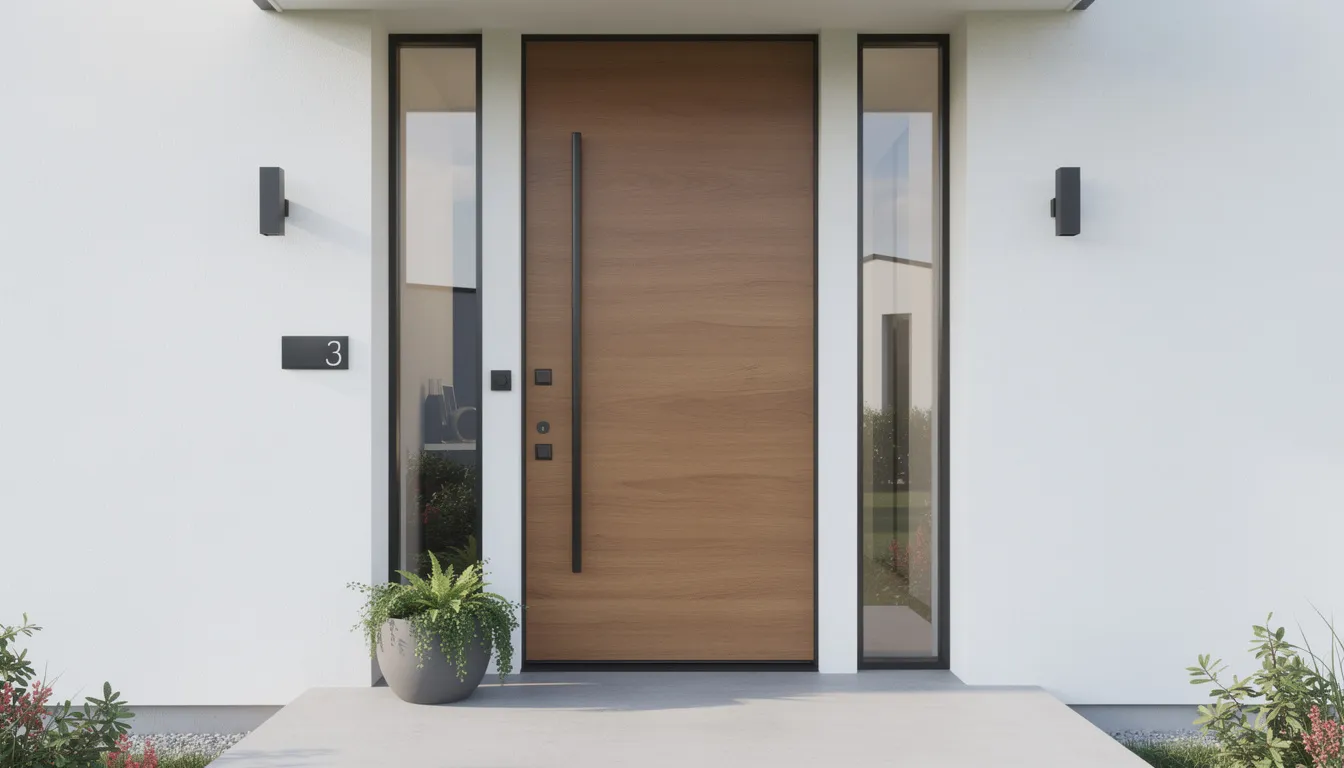
Material selection affects both cost and value impact:
|
Door Material |
Typical Cost |
ROI Percentage |
Best Use Case |
|---|---|---|---|
|
Steel |
$1,500-$3,000 |
65-188% |
Security-focused, cost-effective |
|
Fiberglass |
$2,000-$4,000 |
97% |
Best overall value for most homes |
|
Wood |
$3,000-$6,000+ |
55% |
Premium appeal, historic properties |
|
Iron |
$4,000-$8,000+ |
Variable |
Luxury homes, security priority |
The significant investment return makes door replacement one of the rare home improvements that often pays for itself at resale. Realtor.com and National Association of Realtors data for 2025 highlight steel door replacement as delivering approximately 100% cost recovery, making it the “most profitable” upgrade available.
With door problems potentially costing thousands in perceived value while solutions offer strong returns, addressing entry door issues represents both value protection and enhancement opportunity.
When it’s time to replace your front door, professional installation is a crucial step that should never be overlooked. Even the highest-quality new door can underperform if it isn’t properly installed. Professional installers ensure that your new door is perfectly aligned within the door frame, creating a tight seal that prevents air leaks and water intrusion. This attention to detail is essential for maintaining your home’s energy efficiency and protecting against costly water damage.
Improper installation can lead to a host of problems, including difficulty opening and closing the door, gaps that let in drafts, and even security vulnerabilities. A poorly fitted door may shift over time, causing the frame to warp or the hinges to loosen, which can compromise both comfort and safety. By choosing professional installation, you can be confident that your new door will function smoothly, provide reliable insulation, and stand up to daily use and changing weather conditions. Investing in expert installation not only safeguards your home’s energy efficiency but also ensures your front door remains a secure and welcoming focal point for years to come.
To keep your new front door looking and performing its best, regular maintenance and upkeep are essential. Simple steps like inspecting the door and door frame for peeling paint, loose hinges, or visible damage can help you catch small issues before they become major problems. Cleaning your front door and frame regularly removes dirt and debris that can wear down finishes and compromise energy efficiency over time.
Staying alert to signs such as air leaks, difficulty opening, or water damage will help you address problems early and avoid more extensive repairs. If you notice wear and tear, such as visible damage or moisture around the frame, it may be time to replace your front door to maintain optimal performance and security. Regular maintenance not only extends the life of your door but also helps preserve your home’s curb appeal, making it more attractive to potential buyers if you decide to sell.
By prioritizing upkeep, you ensure that your front door continues to enhance your home’s energy efficiency, security, and overall appearance. A well-maintained entryway is a smart investment that pays off in comfort, savings, and lasting value.
Your entry door wields disproportionate influence over your home’s perceived value and marketability. From creating first impressions that shape entire property tours to signaling maintenance standards and security concerns, a problematic entry door can significantly harm your home's appearance and quietly cost you thousands of dollars in lost value.
The signs discussed – poor curb appeal, visible damage, energy inefficiency, functional problems, and missing modern features – often compound each other, creating cumulative negative impacts that significantly reduce buyer enthusiasm and final sale prices.
The solution offers exceptional financial returns. With door replacement consistently ranking among the highest-ROI home improvements, addressing these issues protects and enhances your property value while improving daily functionality and security.
Take a critical look at your front door today. If you recognize any of these warning signs, consider consulting with real estate professionals or door specialists to understand your options. In a competitive housing market, ensuring your entry door enhances rather than hurts your home’s value could be the difference between a quick sale at asking price and extended market time with reduced offers.
Trade Program
Are You a Trade Professional?
Architects, designers, and contractors receive exclusive pricing and dedicated project support.
Learn About Trade Pricing →Get Started
Our team can help with product selection, sizing, and specification — at no charge.


