My shopping cart
Your cart is currently empty.
Continue Shopping
Choosing the right finish for your door hardware is more than a final touch; it is a fundamental design decision that dictates the mood of your entire interior. When you invest in high-quality modern interior doors, the hardware acts as the jewelry of the room, providing the essential contrast or cohesion needed to tie your architectural vision together. Two of the most sought-after finishes in contemporary high-end design are aged brass and matte black. While both offer a sophisticated aesthetic, they serve vastly different functional and stylistic purposes.
Aged brass brings a sense of history, warmth, and organic luxury to a space, while matte black provides a sharp, graphic, and unmistakably modern edge. Understanding how these finishes interact with your door material, your wall colors, and your lifestyle is the key to making a selection that feels both intentional and timeless.
The hardware on your doors is one of the few elements in your home that you interact with physically every single day. Every time you turn a lever or pull a handle, the tactile quality and visual weight of the finish reinforce the design narrative of your home. Selecting between a warm metal like aged brass and a neutral, high-contrast finish like matte black depends largely on the atmosphere you wish to cultivate.
Whether you are specifying doors for a new build or upgrading a renovation, your choice between these two giants of the industry will determine if your doors whisper elegance or shout modernism.

Aged brass has experienced a massive resurgence in the luxury sector because it bridges the gap between traditional craftsmanship and modern sensibilities. Unlike the shiny, lacquered brass of the 1990s, modern aged brass, often referred to as antique or tumbled brass, features a muted, sophisticated glow.
One of the primary reasons designers specify aged brass for modern European interior doors is its ability to age gracefully. Many high-end brass handles are "living finishes," meaning they are unlacquered and will naturally oxidize over time.
Aged brass is incredibly versatile. It pairs exceptionally well with:
If you are looking for a finish that adds depth and a sense of permanence to your swing doors, aged brass is the superior choice. It feels expensive because it is, both in its material composition and its visual impact.

Matte black is the undisputed champion of the modern, industrial, and Scandinavian design movements. It is clean, unapologetic, and highly effective at creating a structured, curated look. When you use matte black hardware, you are making a clear statement about the modernity of your home.
The primary appeal of matte black is its ability to create "visual silhouetting."
Matte black is perhaps the easiest finish to coordinate across different manufacturers. While "aged brass" can vary wildly in color from one brand to another, matte black is remarkably consistent. This makes it an excellent choice for large-scale projects where you may be sourcing different hardware types, such as pocket doors and barn doors, and need a perfectly matched look throughout.
For interiors that feature exposed brick, concrete, or steel-framed windows, matte black hardware is the logical extension of the architectural language. It feels structural and intentional, reinforcing the "form follows function" philosophy of modern design.
When choosing door hardware, you must look beyond the initial installation. How the finish handles daily use, cleaning products, and environmental factors like humidity will determine its long-term value.
For high-traffic family homes with children or pets, aged brass is often the more practical choice due to its ability to hide wear. For meticulously maintained modern spaces, matte black offers an unparalleled crispness that is worth the extra dusting.

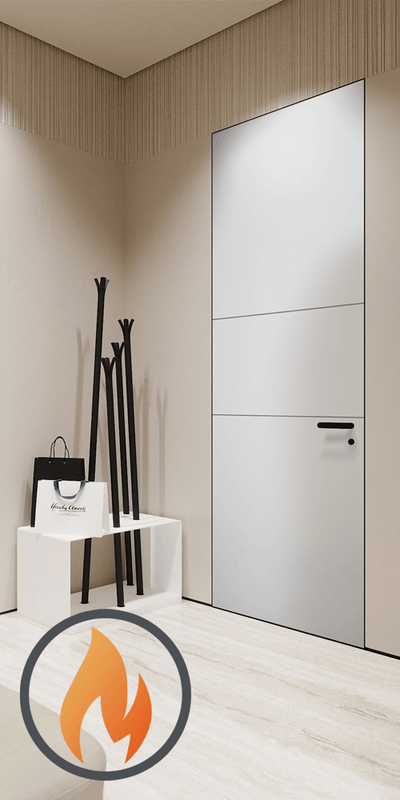
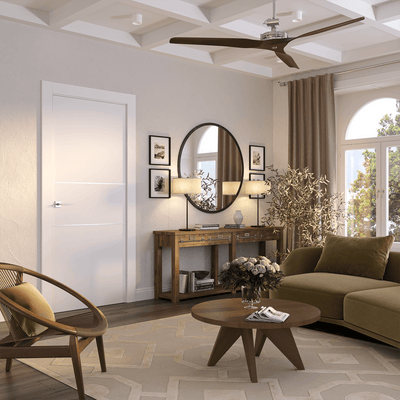
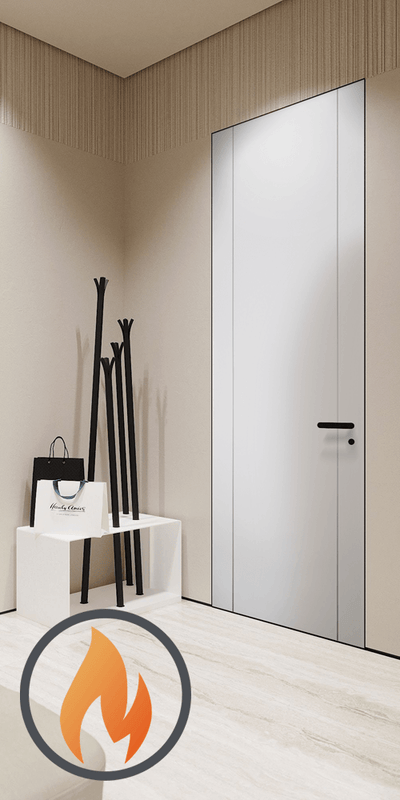
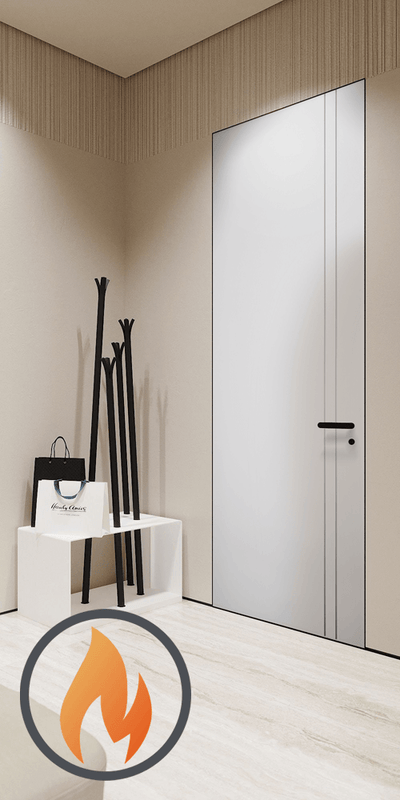
The door itself should inform your hardware choice. At My City Doors, our European-inspired designs range from sleek flush-panel doors to textured embossed surfaces.
| Feature | Aged Brass | Matte Black |
|---|---|---|
| Design Style | Traditional, Transitional, Warm Modern | Modern, Industrial, Minimalist |
| Primary Benefit | Warmth and timelessness | High contrast and graphic definition |
| Maintenance | Low (hides smudges and aging) | Moderate (shows dust/water spots) |
| Durability | High (patina is part of the look) | High (if PVD); Moderate (if powder-coat) |
| Best Door Pairing | Wood grains, dark saturated colors | White, light grey, or glass doors |
| Longevity | Considered a "classic" finish | Considered a "modern trend" standard |

If you are still undecided, I recommend asking yourself three specific questions to narrow down the right choice for your project.
A. What is the dominant metal in your home?
You do not need to match every metal in your home perfectly, but you should have a "primary" and a "secondary" metal. If your kitchen features brass light fixtures and a brass faucet, using aged brass for your door hardware creates a cohesive flow throughout the residence. If your lighting is predominantly black or your window frames are black aluminum, matte black hardware will reinforce that architectural consistency.
B. How often do you want to clean?
Be honest about your maintenance habits. If the idea of seeing a few dusty fingerprints on a handle bothers you, steer toward the aged brass. If you have a regular cleaning routine and prioritize a "perfect" look, the striking appearance of matte black is hard to beat.
C. What is the desired "mood" of the space?
Do you want your home to feel cozy, historic, and lived-in? Go with aged brass. Do you want it to feel sharp, edited, and high-energy? Matte black is your answer.
Choosing between aged brass and matte black is ultimately a choice between two different philosophies of luxury. One values the organic, evolving nature of metal and the warmth of a classic aesthetic. The other values the discipline of contrast and the sleek, uncompromising nature of modern design.
At My City Doors, we provide the canvas for these choices. Our collection of premium European doors is designed to support high-end hardware, ensuring that whichever finish you choose, the result is a home that feels intentionally designed and flawlessly executed. Whether you are looking for swing doors for a master suite or a statement barn door for a home office, your hardware choice will be the final signature on your interior design.
A: Standard powder-coated matte black can fade or develop a grayish hue if exposed to direct sunlight or harsh chemical cleaners. To ensure longevity, look for hardware with a PVD (Physical Vapor Deposition) finish, which is significantly more resistant to UV rays and wear.
A: Yes, mixing finishes is a common designer technique. For example, you might use matte black for your exterior doors and main hallway to create a modern first impression, while using aged brass in bedrooms and bathrooms to add warmth and a more personal, "lived-in" feel.
A: No. Aged brass starts as a muted, darker finish and patinates into deeper browns and golds. It will never return to the bright, reflective yellow of 90s-style lacquered brass unless you aggressively polish it with metal cleaner, which is not recommended for this finish.
A: For coastal areas with salt air, aged brass (specifically solid brass) is generally more durable as it naturally resists deep corrosion. Matte black must be high-quality PVD-coated to prevent the salt air from bubbling the surface finish.
A: While matte black is currently very popular, it has become a staple of modern architectural design, much like black window frames. It is less likely to become "dated" in a truly modern or industrial home, though it may feel out of place in a strictly traditional interior.
Trade Program
Are You a Trade Professional?
Architects, designers, and contractors receive exclusive pricing and dedicated project support.
Learn About Trade Pricing →Get Started
Our team can help with product selection, sizing, and specification — at no charge.


