My shopping cart
Your cart is currently empty.
Continue Shopping
Black interior doors bring definition to a room. They frame openings, sharpen architectural lines, and give even a simple hallway a more considered appearance. However, because dark finishes absorb more light than pale finishes, they need to be balanced with the right wall color, flooring, hardware, and lighting plan.
The goal is not to make the door disappear. It is to make the contrast feel intentional.
When selected thoughtfully, black interior doors can work in bright contemporary homes, warm minimalist interiors, transitional renovations, and more dramatic spaces. The key is to treat the door as part of the entire composition rather than as an isolated statement.
This guide explains how to use black interior doors with confidence, including how to manage contrast, choose wall colors, coordinate hardware, and apply the look room by room.
Black is visually strong, but it is also remarkably versatile. A matte black door can feel architectural and understated, while a subtly reflective finish can add polish to a darker hallway or compact room.
Black interior doors are especially effective for three reasons:
They create architectural definition.
A dark door outlines the opening and adds visual structure to a room with pale walls or minimal decoration.
They connect separate design elements.
Black door hardware, window frames, lighting, furniture legs, and artwork frames can all relate to the door finish.
They add contrast without introducing a bright color.
If your interior palette is based on white, gray, beige, wood, and stone, black provides depth while preserving a calm, sophisticated atmosphere.
The most successful installations usually include at least two or three other dark details nearby. This repetition makes the door feel integrated rather than visually random.

Contrast determines how prominently your black interior doors will read. High contrast makes the door a focal point. Lower contrast creates a quieter, more seamless appearance.
A black door against a crisp white wall creates the clearest graphic effect. This combination works well in contemporary hallways, entry areas, and homes with strong architectural lines.
Use this approach when you want to:
White trim around a black door makes the contrast even sharper. Black trim creates a more substantial, fully framed effect.
Warm white, taupe, beige, and light greige walls soften the transition between the dark door and the rest of the room. This is often the most forgiving approach for residential interiors.
Warm neutrals are particularly effective when your home includes:
A charcoal-black door can be more harmonious than a pure, blue-based black in these settings. The small difference in undertone matters.
A black door can also work with navy, forest green, charcoal, or dark brown walls. This creates a moody, enveloping atmosphere, but it requires more careful lighting.
To prevent the room from feeling compressed, introduce contrast through:
a. Lighter flooring or rugs
b. Pale upholstery or bedding
c. Metallic or natural wood details
d. Bright artwork or reflective surfaces
Dark walls and dark doors are best suited to studies, libraries, bedrooms, and powder rooms where a more intimate atmosphere is desirable.
Black interior doors absorb light rather than reflecting it. This does not mean they are unsuitable for small rooms. It means the surrounding lighting should be planned deliberately.
Start by considering the amount of natural light available. A hallway with a nearby window, glass door, or open stairwell can support a much darker finish than a windowless corridor.
Use a layered lighting plan that includes:
Warm, diffused light generally works best with black doors because it softens the contrast and complements wood, stone, and woven materials.
If your home has limited daylight, consider a black door with a satin or semi-gloss finish instead of an extremely flat finish. A modest amount of reflectivity can help the surface catch light and reveal its proportions.
Use matte finishes when you want a quiet, architectural appearance. Choose a slightly more reflective surface when the room needs additional brightness or when you want the door to feel more polished.
The wall color is often more important than the door color itself. It determines whether your black interior doors feel crisp, soft, dramatic, or disconnected.
Before committing, view wall samples beside the actual flooring and door finish. Natural light changes throughout the day, and a black door may look cooler in north-facing light and warmer in evening light.
There is no single correct answer. The best choice depends on the effect you want.
Black door with light trim:
This creates a crisp outline and highlights the full shape of the opening. It is a reliable choice for classic contrast.
Black door with black trim:
This creates a stronger architectural frame and often looks more contemporary. It works particularly well with tall doors, wide openings, and minimalist interiors.
Black door with trim matching the wall:
This gives the door a clean, almost floating appearance. It is useful when you want the slab to stand out without making the entire opening feel heavy.
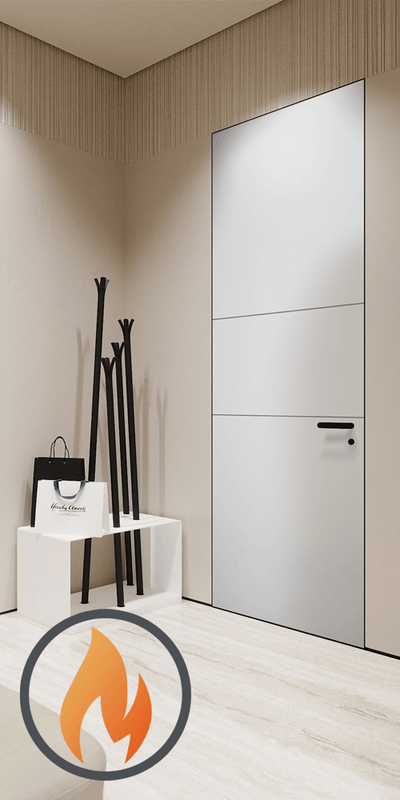
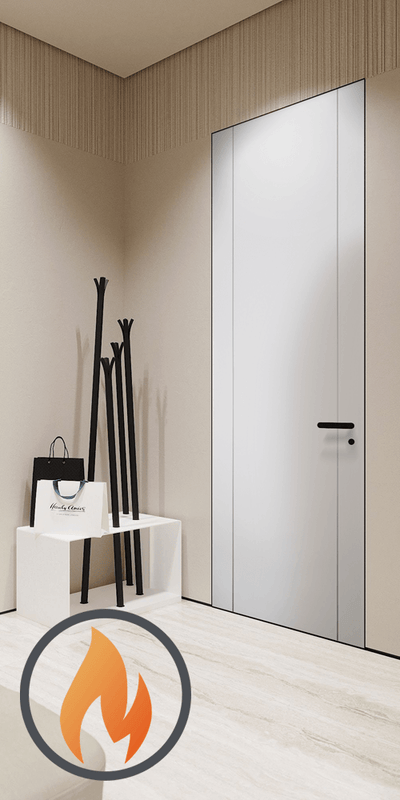
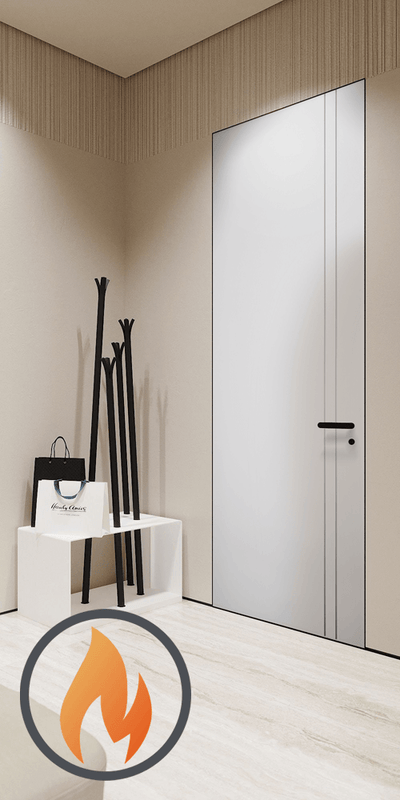
For a more seamless appearance, a concealed-frame or flush-style door can reduce visual clutter around the opening. If you are planning a customized installation, review available sizes, finishes, hardware, and frame options through the custom-order interior doors and frames collection.
Hardware is a small detail, but it strongly affects the character of black interior doors.
Matte black handles create a tonal, minimalist appearance. They are ideal when your interior already includes black window frames, lighting, plumbing fixtures, or furniture.
The result is restrained and contemporary.
Brushed nickel, stainless steel, or another soft metal finish introduces subtle contrast without becoming overly decorative. This is a practical choice for modern homes where the door should feel refined but not dramatic.
Brass, champagne, and bronze hardware bring warmth to a black door. This pairing works especially well with cream walls, walnut, oak, beige stone, and warm lighting.
Keep the hardware profile simple. A clean lever or understated knob usually complements a dark door better than a highly ornate design. If the room already has several strong materials, simple hardware helps maintain visual balance.
Also consider the hinges and frame hardware. Matching them to the handle creates a coordinated appearance, while concealed or color-matched hinges allow the door surface to remain the visual focus.
Black doors do not need to be used throughout the entire home. In many projects, a selective approach creates a more elegant result.
The entry is one of the best places to use black interior doors because the surrounding architecture can support a strong focal point.
Pair the door with:
In a narrow hall, avoid combining a black door with dark floors and dark walls unless the space has generous natural light. Otherwise, the corridor may feel visually compressed.
In a living room, a black door can act as an anchor against soft furnishings and pale walls. It works particularly well when the door opens toward a hallway, office, library, or secondary sitting area.
Repeat the finish through one or two details, such as:
Do not over-repeat it. The purpose is to create rhythm, not make every object match.
Black interior doors can define a pantry, utility room, mudroom, or service area without requiring a complete change to the kitchen palette.
If your kitchen includes light cabinetry, black hardware, or dark pendant lighting, the door will feel naturally connected. Keep the surrounding surfaces relatively light if the kitchen is compact.
For open-plan interiors, use the same black finish in several sightlines so the door relates to the kitchen, dining, and living zones.
A black door can give a bedroom a tailored, restful quality. Pair it with warm neutrals, natural textiles, and soft lighting rather than too many high-contrast accessories.
A matte black door works well with:
If the bedroom is small, use lighter walls and flooring to preserve a sense of openness.

A black door can give a home office a more focused and architectural feel. It also helps visually separate the workspace from the rest of the home.
If the office lacks natural light, consider a nearby glass panel, transom, or glazed opening to borrow light from an adjacent room. Light oak shelving, white walls, and a pale rug will keep the space from feeling too enclosed.
This is also an excellent setting for a flush or minimalist door because the clean surface supports a calm, distraction-free environment.

Black interior doors are especially effective in powder rooms, where a stronger design statement is often appropriate.
In a small bathroom, balance the door with:
For a windowless bathroom, avoid making every surface dark. A black door can provide enough drama on its own.

If you are uncertain about using black interior doors throughout your home, begin with a location that can carry visual weight.
Good starting points include:
Avoid placing one isolated black door in a home where no other element relates to it. Repeat the color through small, controlled accents instead.
You should also consider the door swing and surrounding circulation. A dark door that opens into a narrow passage may feel more prominent when open than when closed. Pocket, bypass, barn, or other space-conscious configurations can sometimes preserve clear circulation while maintaining the desired visual impact.
Black interior doors are not limited to dramatic interiors. They can be warm, minimal, classic, or quietly luxurious depending on the materials around them.
For the most balanced result:
The strongest designs treat a door as part of the architecture. With the right proportions, finish, and surrounding palette, black interior doors can add sophistication and depth without overwhelming the space.
A: They can make a small or poorly lit room feel more enclosed if combined with dark walls, floors, and furniture. Balance the door with light walls, reflective surfaces, pale flooring, and layered lighting to maintain openness.
A: Warm white, ivory, light greige, pale gray, and soft beige are reliable choices. These colors create contrast while allowing the door to feel connected to the rest of the interior.
A: Matching black trim creates a bold, architectural frame. White or wall-colored trim produces a lighter, more defined appearance. Choose based on how strongly you want to emphasize the doorway.
A: Matte black hardware creates a seamless contemporary look, while brushed nickel adds subtle contrast. Brass, bronze, and champagne finishes bring warmth and work especially well with wood and beige interiors.
A: Yes. Hallways are excellent locations for black doors when they have light walls and sufficient illumination. Add recessed lighting, sconces, or daylight from nearby rooms to prevent a tunnel-like effect.
A: Not necessarily. A consistent finish throughout a visible corridor can look cohesive, but selective use often feels more tailored. Start with prominent openings, offices, powder rooms, or rooms that already include dark accents.
A: Matte finishes provide a quiet, modern appearance, while satin or semi-gloss finishes reflect more light and are often practical in busy areas. The best choice depends on the room’s lighting and the level of contrast you want.
seo:
  meta_description: "Black interior doors add contrast without making a room feel heavy. Get designer guidance on light, wall colors, hardware, finishes, and room-by-room placement."
Trade Program
Are You a Trade Professional?
Architects, designers, and contractors receive exclusive pricing and dedicated project support.
Learn About Trade Pricing →Get Started
Our team can help with product selection, sizing, and specification — at no charge.


