The Cost of Custom Interior Doors: Sizing, Materials & Installation

The Cost of Custom Interior Doors: Sizing, Materials & Installation

Publications

The Cost of Custom Interior Doors: Sizing, Materials & Installation

← Publications
My City Doors ·Jul 29, 2026 ·9 min read

Budgeting for custom interior doors requires a clear understanding of material costs, sizing complexities, and professional installation fees. Navigate the pricing landscape for high-end European designs effectively to ensure your renovation project remains both beautiful and financially sound.

Selecting the right interior doors is a pivotal moment in any high-end renovation. As a designer, I often explain to my clients that doors are not merely functional partitions; they are the "furniture of the walls." They provide the tactile and visual transitions that define the flow of a home. However, moving from off-the-shelf options to custom European-style solutions introduces a variety of price variables that can be difficult to track without expert guidance.

The cost of a custom door is rarely a single flat rate. Instead, it is an accumulation of choices regarding material density, architectural dimensions, specialized hardware, and the labor required to achieve a seamless fit. When you opt for custom-order interior doors, you are investing in a product that is engineered for longevity and aesthetic precision. This guide will break down the primary cost drivers to help you establish a realistic budget for your next interior project.

Why Custom Doors Represent a Long-Term Investment

Before examining the specific numbers, it is essential to understand the value proposition of custom work. Standard doors often suffer from "telegraphing", a phenomenon where the internal structure of the door becomes visible through the veneer over time, and lack the sound-dampening qualities required for luxury living.

  1. Architectural Cohesion: Custom doors allow for heights that reach the ceiling, creating a sense of grandeur that standard 80-inch doors cannot achieve.
  2. Superior Performance: The weight and "swing" of a custom solid-core door provide a tactile sense of quality every time a room is entered.
  3. Aesthetic Precision: With custom orders, you can match wood grains, textures, and hardware finishes across different door types, from pocket doors to bi-fold doors, ensuring a unified design language.

Material Selection: The Core of Your Budget

The material you choose is the most significant factor in the base price of your door leaf. In the realm of high-end European design, the focus is on stability, finish quality, and acoustic insulation.

a. Solid-Core and Engineered Wood

Solid-core doors are the gold standard for high-end residential interiors. Unlike hollow-core alternatives, these doors are filled with a dense wood composite or solid wood staves.

  • Cost Impact: Expect to pay 40% to 100% more than hollow-core options.
  • Benefit: Exceptional sound privacy and a "heavy" feel that signifies quality.

b. Glass and Metal Frameworks

Modern interiors often utilize glass doors to maintain visual flow while providing acoustic separation. European-style glass doors frequently use slim aluminum or steel profiles.

  • Cost Impact: These are premium options, often starting at twice the price of a standard solid door due to the cost of tempered safety glass and precision metal fabrication.
  • Benefit: Enhanced natural light and a sleek, contemporary aesthetic.

c. Specialized Veneers and Finishes

The exterior "skin" of the door can range from paint-grade MDF to exotic wood veneers or embossed textures.

  • Cost Impact: High-gloss lacquers or rare wood grains like Walnut or Eucalyptus will increase the door's cost by 15% to 30%.
  • Benefit: A unique visual statement that complements your specific flooring and cabinetry.

Close-up of a luxury interior door showcasing an embossed light oak wood grain texture and a modern satin nickel handle.

Sizing and Architectural Complexity

In many modern architectural plans, standard door sizes are the exception rather than the rule. Custom sizing is where many homeowners encounter unexpected costs.

  1. Extra-Tall Openings: Raising a door height from the standard 6'8" to 8' or 9' creates a dramatic verticality. However, this requires more material and more structural support within the door leaf to prevent warping over time.
  2. Non-Standard Widths: Whether you need an extra-wide entry to a master suite or a narrow door for a unique storage nook, custom widths require individual fabrication rather than mass production.
  3. Pricing Rule of Thumb: Deviating from standard stock sizes typically adds 20% to 50% to the cost of the door leaf. This accounts for the specialized setup time in the factory and the increased shipping considerations for oversized items.

Hidden Costs: The Frame and Hardware

A door is a system, not just a slab of wood. The frame and hardware are often where the most sophisticated engineering, and cost, resides.

a. Concealed and Hidden Frame Systems

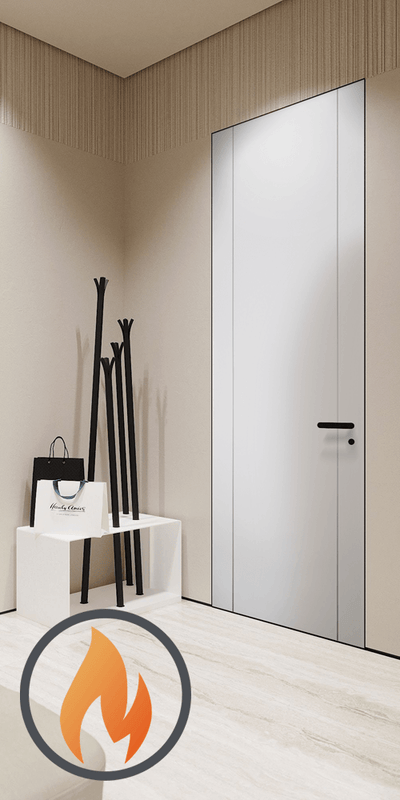
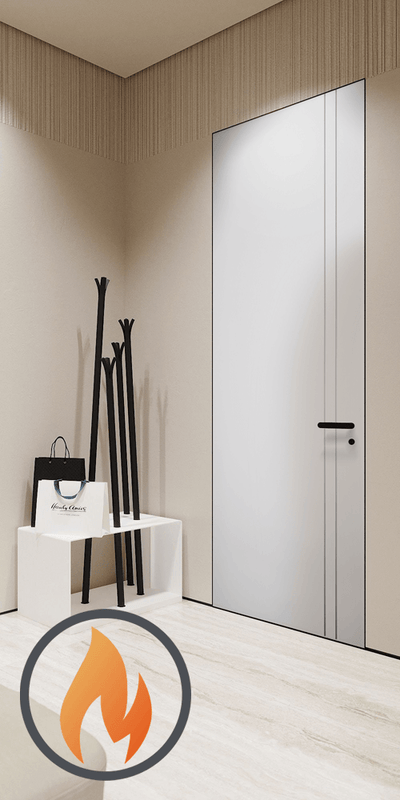
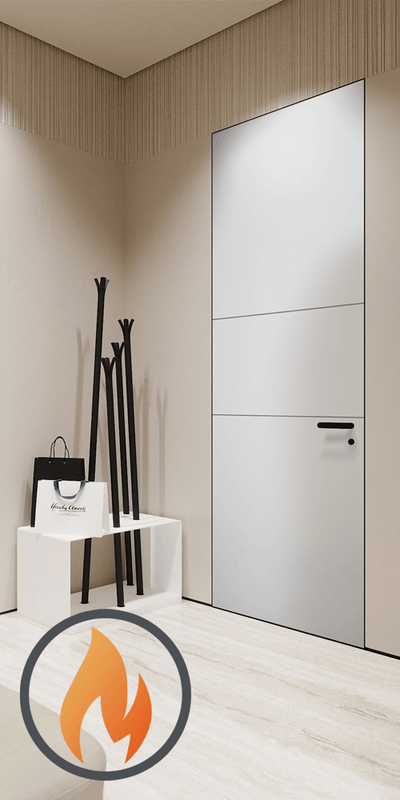
One of the most popular trends in European design is the hidden frame door. These doors sit perfectly flush with the wall, with no visible casing or trim.

  • Complexity: These require specialized aluminum frames that must be installed during the "rough-in" phase of construction, before the drywall is finished.
  • Budgeting: The frame itself can cost as much as the door leaf, and the installation requires high-level precision from both the carpenter and the drywall finisher.

b. Designer Hardware Upgrades

Standard hinges and handles are functional, but custom doors deserve better. High-end projects often utilize:

  • 3D Adjustable Concealed Hinges: These allow the door to be adjusted in three directions for a perfect gap (reveal) all around the door.
  • Magnetic Latches: These replace the traditional "clack" of a strike plate with a silent, magnetic pull that keeps the latch retracted when the door is open for a cleaner look.
  • Custom Finishes: Matching your door handles to your plumbing fixtures (e.g., matte black, brushed gold, or satin nickel) typically carries a premium.

A seamless hidden frame door integrated into a minimalist white wall, creating a flush and architectural look in a modern living space.

Functional Mechanisms: Swing, Pocket, and Barn

The way a door operates affects both the cost of the unit and the cost of the labor to install it.

  1. Swing Doors: The most common and generally the most cost-effective. However, high-end "pivot" hinges for oversized doors can add significant cost.
  2. Pocket Doors: These are excellent for saving space but are among the most expensive to install. They require a specialized "cage" inside the wall and high-quality tracks to ensure the door doesn't jump its rails or squeak over time.
  3. Barn Doors: While they save space, they require heavy-duty decorative tracks. In custom settings, the track hardware itself can range from several hundred to over a thousand dollars depending on the weight of the door and the finish of the metal.

Calculating Installation and Labor

Installation is the final piece of the budgeting puzzle. A custom European door is a precision instrument; if it is installed poorly, all the investment in the door leaf is wasted.

a. Level of Expertise Required

Installing a standard pre-hung door is a relatively straightforward task for a general contractor. However, installing a hidden frame door or a large-scale pivot door requires a specialized finish carpenter.

  • Cost Estimate: Expect labor for a custom door installation to be 2x to 3x higher than a standard door. In many markets, this can range from $300 to $800 per opening, depending on complexity.

b. Site Preparation

If you are replacing existing doors, you must account for the cost of removing the old frames and potentially adjusting the "rough opening." Custom doors often have very specific requirements for the size and squareness of the hole in the wall. If your walls are not perfectly plumb (straight up and down), the installer will need extra time to shim and adjust the frame to ensure the door operates smoothly.

A sophisticated home office viewed through custom black-framed glass double doors, emphasizing light and transparency in a professional setting.

Budgeting Strategy: Where to Spend and Where to Save

If you are working with a finite budget but want the custom look, I recommend a "tiered" approach to your door selection.

  1. Invest in Public Spaces: Spend the bulk of your budget on the doors guests will see most, the foyer, the living room, and the master suite. This is where extra height, glass inserts, or barn doors have the most impact.
  2. Simplify Secondary Areas: For closets, guest bedrooms, or laundry rooms, you can often use the same style of door but in a standard height or with simpler hardware to save money without breaking the design continuity.
  3. Don't Skimp on Hardware: Even a more modest door leaf feels expensive if it has a heavy, high-quality handle and closes with the silent precision of a magnetic latch.

Conclusion: Planning for Success

The cost of custom interior doors is a reflection of the craftsmanship, material quality, and architectural intent they bring to your home. By understanding that the door leaf is only one part of the equation, alongside the frame, hardware, and installation, you can build a budget that avoids surprises and results in a stunning finished product.

When you choose to work with premium European designs, you are choosing a path of durability and timeless style. Whether you are looking for the space-saving utility of pocket doors or the architectural statement of a hidden frame door, prioritizing quality in the "furniture of your walls" will elevate your entire living experience.

A dark espresso wood custom pocket door with horizontal inlays, elegantly recessed into a soft neutral wall in a luxury bedroom.

Frequently Asked Questions

Q: How much more does a custom-sized interior door cost compared to a standard size?

A: Generally, custom-sized doors cost between 20% and 50% more than their standard-sized counterparts. This increase covers the specialized manufacturing setup, material adjustments, and often extended lead times for production.

Q: What is the benefit of a solid-core door over a hollow-core door?

A: Solid-core doors provide superior sound insulation, better fire resistance, and a much more substantial feel. They are less prone to warping and damage, making them the preferred choice for high-end residential and commercial projects.

Q: Are hidden frame doors more expensive to install?

A: Yes, hidden frame (concealed frame) doors are significantly more expensive to install because the frame must be integrated directly into the wall structure during the early stages of construction. This requires precise coordination between the carpenter and the drywall team to ensure a perfectly flush finish.

Q: Can I use different hardware finishes on different sides of the door?

A: While technically possible with some custom hardware manufacturers, it is generally more expensive and complex to order. Most designers recommend maintaining a consistent finish across both sides of the door for a cleaner aesthetic, unless there is a dramatic shift in the interior design of the adjacent rooms.

Q: How do glass interior doors compare in price to solid doors?

A: Glass interior doors, especially those with custom metal or wood frames, typically start at 1.5x to 2x the price of a standard solid-core door. The cost is driven by the use of tempered safety glass and the more intricate framing required to secure the glass panels.
Volume Discount

Save on 6+ Door Orders

Order six or more doors and receive a special volume discount on your purchase.

Shop Now →

Free Quote

Have a Door Schedule?

Send us your specifications and receive a custom quote - no obligation.

Send Schedule →

No Obligation

Get a Free Quote

Tell us what you need and we will send a detailed quote within 24 hours.

Request Quote →

Flexible Payments

Financing Available

Spread the cost of your door project with our flexible financing options.

Learn More →

Trade Program

Are You a Trade Professional?

Architects, designers, and contractors receive exclusive pricing and dedicated project support.

Learn About Trade Pricing →
← Previous Sliding Interior Doors: Pocket, Barn & Bypass Systems Compared

Get Started

Ready to Start Your Project?

Our team can help with product selection, sizing, and specification — at no charge.