My shopping cart
Your cart is currently empty.
Continue Shopping
Looking to reduce labor costs without compromising quality? Cutting labor costs doesn’t necessarily mean downsizing; it can involve a range of strategies such as outsourcing, in-house optimization, and more. Here are 7 ways to cut labor costs without cutting corners that can help improve overall efficiency and effectiveness. These strategies will help you optimize your workforce, leverage technology, and improve efficiency, ensuring your business remains productive and competitive without the extra expenses. Sales forecasts and customer demand trends can be your best friend when it comes to optimizing employee scheduling and managing labor costs effectively.
Before implementing any cost-cutting strategies, it’s essential to have a clear understanding of all labor-related expenses. This means evaluating every aspect of your workforce costs to identify inefficiencies and determine the best ways to reduce costs, whether through outsourcing, in-house improvements, or other options within the wide range of available solutions.
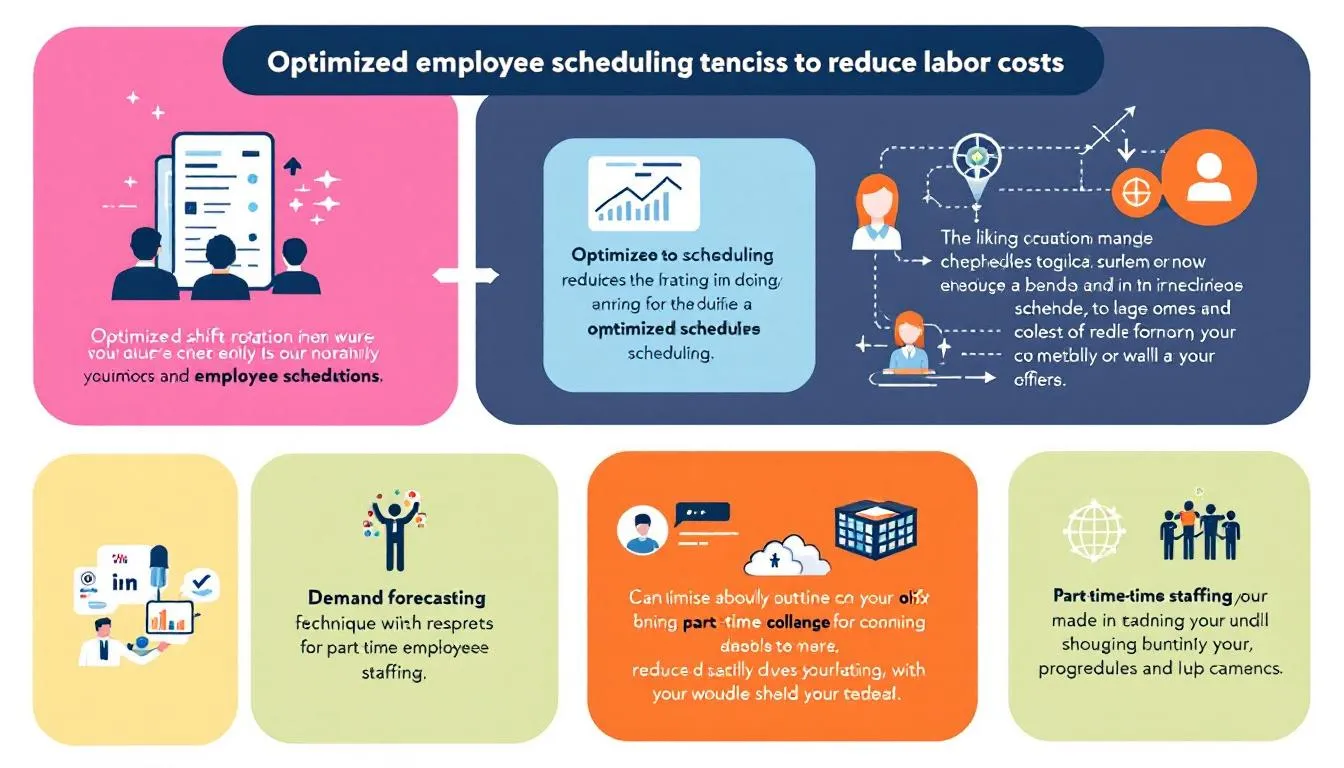
Aligning employee schedules with business needs can reduce labor expenses. Key aspects of effective scheduling include minimizing indirect labor costs: other expenses such as benefits and training can add to total labor costs, so it is important to account for these when planning schedules.
Part-time staff can help businesses adjust to fluctuating demands without the burden of full-time salaries. Tracking employee hours and managing labor costs can be difficult without proper tools, as manual calculations often lead to errors. Advanced scheduling tools also streamline the process, enhancing accuracy and minimizing manual errors, helping to reduce training costs.
Analyzing sales data helps predict high-demand periods and tailor staff schedules. By examining this data, managers can better understand labor cost patterns and make informed scheduling decisions. Identifying patterns in sales data allows businesses to adjust staffing levels to avoid overstaffing or understaffing during peak and off-peak hours, providing ways to reduce labor cost.
Monitoring sales forecasts helps manage labor costs effectively, enabling businesses to implement strategies that can lower labor costs by adjusting staffing levels efficiently to match customer demand.
Staggering employee shifts ensures optimal staffing coverage and helps avoid unnecessary labor costs during peak hours. By distributing labor hours efficiently and optimizing the use of office space , businesses can ensure that the right employees are in place at the right time to meet customer demand.
This approach helps businesses manage employee related expenses effectively while maintaining excellent service during busy periods to maximize profits and reduce labor costs.
Advanced scheduling tools are crucial for automating and streamlining the scheduling process, which reduces manual data entry errors. These tools help to automate shift assignments and improve inventory management , ensuring accuracy and efficiency. Unlike traditional methods, which can be more error-prone and limited in flexibility, advanced scheduling tools offer greater reliability and adaptability. A project management tool can further enhance these capabilities.
Scheduling software creates demand-based schedules, minimizes errors, and ultimately enhances customer satisfaction while improving overall operational efficiency. It is important to regularly review schedules to identify inefficiencies and optimize labor costs.
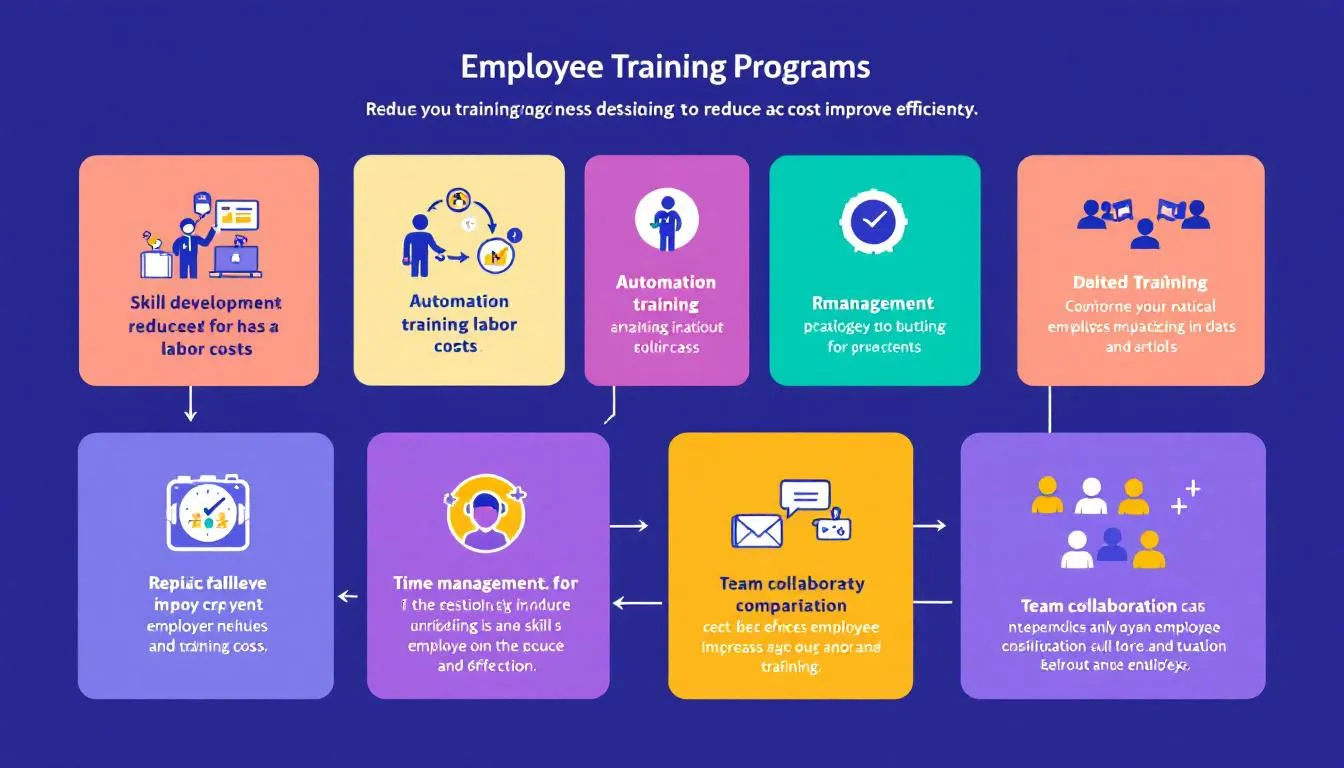
Employee training programs enhance employee productivity by improving skills and knowledge. Offering different types of training programs, such as cross-training, on-the-job training, or role-specific courses, ensures employees are prepared for various roles. Identifying the specific type of training that best fits operational needs is crucial, as choosing the right type can maximize efficiency and lead to significant cost savings. Providing a relevant course tailored to employee needs can improve skills, boost retention, and foster employee growth. A culture of learning in the workplace ensures everyone is informed about how employees spend their time , leading to better overall performance. Regular feedback and performance reviews can further enhance employee satisfaction and reduce employee turnover, ensuring a committed workforce.
Ongoing training opportunities boost employee satisfaction and employee engagement, contributing to lower labor costs and reducing direct labor costs, ultimately increasing job satisfaction. Employees can learn new skills through targeted courses, making them more adaptable and valuable to the organization. Well-trained employees help reduce errors and improve efficiency.
Cross-training broadens skill sets, allowing employees to take on new skills as needed. This flexibility and efficiency allow employees to handle multiple tasks and manage materials effectively , reducing the number of employees needed per shift and improving productivity. By implementing cross-training, businesses can build a more flexible and agile workforce that adapts quickly to changing demands.
Structured training sessions during slower hours can facilitate cross-training. This approach creates a win-win situation for both employees, who gain valuable skills, and the business, which benefits from increased versatility and productivity.
Operational efficiency minimizes delays and optimizes employee performance, which helps increase productivity. Standardizing prep work, for example, enhances kitchen efficiency, reducing costs and boosting productivity.
Encouraging creativity among staff can also lead to innovative solutions for process improvement.

Automation technology reduces labor costs by freeing employees to focus on complex tasks, thereby increasing productivity. It improves efficiency, accuracy, and speed within processes, ensuring optimal resource use. Automation is also giving businesses real-time visibility into labor costs and operational efficiency, allowing for better decision-making and ways to save money . Automation can also reduce expenses related to manual processes by streamlining operations and minimizing errors. Businesses should select technologies that fit their needs and integrate seamlessly into existing workflows.
Advanced scheduling tools automate shift assignments and notifications, enhancing efficiency. Automation helps businesses identify time-consuming processes and boost operational efficiency, playing a major role in effective labor cost management.
Payroll software automates calculations for precise and timely payroll distribution, eliminating the worry and difficulty of manual payroll calculations. Automated systems facilitate quick tax filings and ensure regulatory compliance, thereby reducing direct costs .
Automating payroll processes improves efficiency and accuracy, saves time for HR departments, and reduces the risk of errors.
Order management systems streamline order processing and inventory management, reducing manual workload and improving logistics by optimizing shipping and supply chain management. Automating repetitive tasks in order processing improves accuracy, reduces the need for manual intervention, and frees up employee time for complex responsibilities.
Evaluating and refining processes to streamline processes and eliminate inefficiencies is crucial to avoiding frustrated customers , combined with continuous improvement and energy efficiency, enhances overall productivity.

Engaging employees in scheduling reduces communication issues and increases satisfaction. Transparent pay structures improve trust and retention. Leadership plays a key role in fostering retention by demonstrating responsible decision-making and wise financial management. Flexible work arrangements boost morale and productivity, while efficient management of overtime prevents increased costs and burnout. It is crucial to pay employees fairly to maintain a motivated workforce.
Remote work reduces workplace absenteeism by allowing employees to manage personal responsibilities without taking days off. Understanding employee needs is essential for developing effective retention strategies that address workforce concerns and improve overall satisfaction. It is also important to find new ways to retain employees and reduce turnover costs.
Enhancing compensation and employee benefits attracts and retains top talent. Competitive employee wages make employees feel valued and encourage them to stay.
Tailoring benefits to employee preferences can lead to savings. Organizations can enhance compensation packages by redirecting these savings to cut costs, which helps protect profit margins.
A positive work environment increases employee retention and leads to cost savings. Encouraging team collaboration fosters a sense of belonging and enhances loyalty.
Providing services such as wellness programs boosts morale and contributes to a positive workplace culture.
Scheduling software helps create demand-based schedules, minimizing unnecessary labor costs.
Other tools and methods include:
Handling compliance and operational management can be hard without the right systems in place.
As business operations expand, it becomes even harder to maintain efficiency and control costs without streamlined processes.
Technology improves business processes by:
Lean manufacturing streamlines processes, reduces waste, and optimizes efficiency. Automation reduces labor costs by improving efficiency. Even a bit of process improvement in key areas can lead to significant cost savings.
Standardizing procedures improves efficiency and fosters consistency in task execution, leading to fewer mistakes. However, implementing standardized procedures requires finesse to ensure buy-in and effectiveness from all team members.
Applying lean management principles helps identify waste and enhance operational efficiency by leveraging the existing workforce to optimize resources and processes.
Cross-training employees allows better workload distribution and avoids the need for higher salaries for specialized labor, reducing overall labor costs. Monitoring when employees are close to overtime thresholds is essential to ensure labor costs remain under control.
Policies for clocking in/out and time entry management tools help prevent payroll leakage. Calculating labor costs per hour by dividing total annual labor expenses by total hours worked is important for analyzing payroll and controlling overtime expenses. These strategies effectively control overtime, reducing long-term employees clock labor costs. Better planning can help organizations avoid unnecessary overtime and improve overall efficiency.
Clear overtime policies encourage adherence to rules that minimize unnecessary hours. Effective communication of these policies helps prevent misunderstandings about pay and work expectations.
Clear overtime policies help manage it effectively, significantly reducing labor costs and promoting a better work environment.
Automated timesheets calculate hours, breaks, and overtime, helping determine wages efficiently. Businesses no longer need to spend hundreds of dollars on traditional punch clocks, as modern time tracking solutions offer a more affordable and accessible alternative. Proper shift management prevents excessive overtime hours. Shift swapping among employees can help manage shifts instead of relying on overtime.
Monitoring timesheets and using sales forecasting can minimize accidental overtime.
Flexible scheduling options can significantly reduce costs turnover. Remote work and part-time roles lower overhead costs, indirect costs, office expenses, utility bills, and business expenses. Some businesses also choose to outsource certain roles, such as customer service or IT support, as an alternative to flexible in-house arrangements, which can further reduce costs and present unique benefits and challenges. There are also effective ways to reduce overall expenses.
Remote work cutting labor costs and builds a happier, more efficient workforce.
Allowing employees to work remotely a few days each week and considering renting equipment offers several benefits:
Part-time positions offer several advantages:
Balancing labor needs with major cost savings, particularly when considering buying equipment, is crucial for effective workforce management to calculate labor costs.
Reducing labor costs without cutting corners is achievable through strategic planning and implementation of various methods. Optimizing employee schedules, investing in training programs, leveraging automation, and adopting flexible work arrangements are all effective strategies. These approaches not only help in reducing labor costs but also focus on reducing the need for additional staff and resources, while enhancing employee satisfaction and overall business efficiency.
Adopting these strategies can lead to significant cost savings, improved employee productivity, and a more positive work environment. Businesses should continuously evaluate and refine their processes to ensure they are maximizing efficiency and minimizing unnecessary costs. By doing so, they can achieve sustainable growth and success.
Utilizing sales data enables you to forecast customer demand, allowing you to adjust employee schedules to ensure optimal staffing during busy times. This strategic scheduling enhances service efficiency and meets customer needs effectively.
Cross-training employees enhances flexibility and efficiency, leading to improved productivity as fewer employees can cover more tasks. This practice ensures that all essential roles can be filled, even in times of reduced staffing.
Automating payroll processes helps reduce labor costs by enhancing efficiency and accuracy, minimizing errors, and ensuring timely payroll distribution. This not only saves time but also decreases the need for extensive oversight and manual intervention.
Implementing competitive compensation, creating a positive work environment, involving employees in scheduling, and offering flexible work arrangements are effective strategies to enhance employee retention. Prioritizing these aspects can lead to a more committed and satisfied workforce.
Flexible work arrangements effectively reduce labor costs by decreasing turnover rates, lowering office expenses, and enhancing employee satisfaction and work-life balance. This combination fosters a more efficient and cost-effective workforce.




Trade Program
Are You a Trade Professional?
Architects, designers, and contractors receive exclusive pricing and dedicated project support.
Learn About Trade Pricing →Get Started
Our team can help with product selection, sizing, and specification — at no charge.


