My shopping cart
Your cart is currently empty.
Continue Shopping
You diligently track every expense in your monthly budget, scrutinize your paycheck allocation, and search for ways to save money - but there’s one thing silently draining your finances that you probably never considered. Your front door could be costing you hundreds of dollars every month through energy loss, security vulnerabilities, and ongoing maintenance issues that hurt your financial situation more than you realize. It's important to begin taking proactive steps now to address these hidden costs and prevent further financial loss.
The reason most homeowners never connect their door’s condition to their monthly expenses is that the impact is often gradual and easy to overlook. From energy bills that spike due to poor insulation to costly security breaches and endless maintenance cycles, your door might be the worst investment in your house. Let’s talk about how this seemingly innocent entrance is affecting your finances and what you can do to regain control.
Just as a small crack in your front door can let precious heat or cool air escape, unnoticed financial leaks can quietly drain your monthly budget and hurt your financial situation. These leaks might not be as obvious as a drafty door, but over time, they can cause you to lose money and make it harder to pay bills, save for the future, or get out of debt. Recognizing the signs of financial leaks—like unexplained charges, forgotten subscriptions, or impulse purchases—is the first step toward regaining control.
By creating a detailed monthly budget and tracking your expenses, you can shine a light on the hidden places where your money is slipping away. This process not only helps you save money but also gives you the power to make informed decisions about your finances. When you take control and address these leaks, you protect your house, your budget, and your financial future. Remember, every dollar you save by plugging a financial leak is a dollar you can use to pay down debt, build your savings, or invest in your goals.
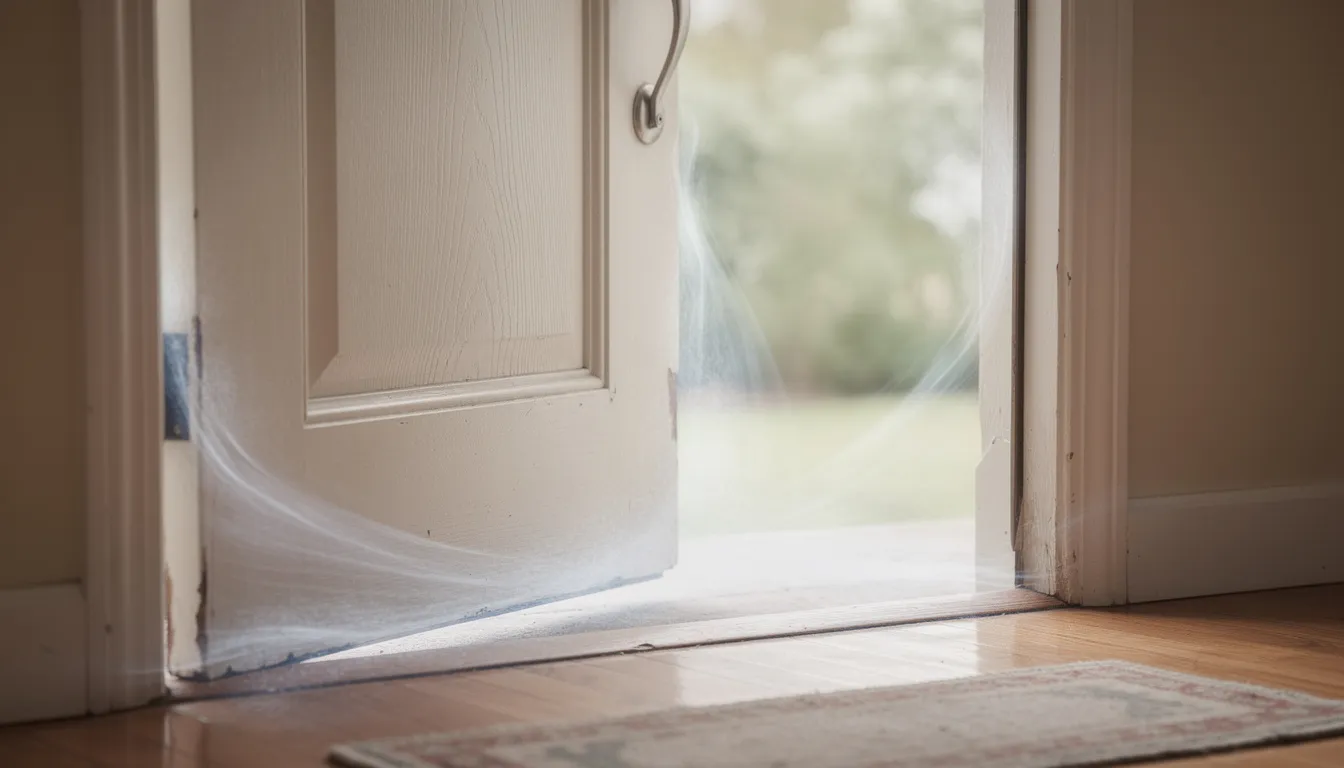
The most immediate way your door lets money escape every month is through energy loss that directly impacts your utility bills. Energy-efficient doors can save homeowners $150-400 annually, which means an inefficient door is costing you this amount in wasted energy costs. That translates to $15-35 monthly during peak heating and cooling seasons when your HVAC system struggles to maintain comfortable temperatures.
Poor door seals create the perfect conditions for heated and cooled air to escape your home, forcing your HVAC system to work overtime. When cold air seeps through gaps around your door frame during winter, your heating system cycles more frequently to compensate for the temperature drop. The same principle applies in reverse during summer months when hot exterior air infiltrates your home, overwhelming your cooling system.
Single-pane glass doors lose up to 30% more energy than properly insulated alternatives. This energy waste from frequent system cycling puts additional stress on your HVAC equipment, leading to higher fuel consumption, increased wear on mechanical components, and reduced system lifespan. Ignoring these issues can make things even worse, resulting in costly system failures or emergency repairs that far exceed the price of fixing a drafty door. In extreme climate zones like St. Louis, where summers routinely reach 90-100 degrees and winters create substantial heating demands, replacing doors with high-quality units can reduce annual energy use by over 13 percent.
You can identify problem areas using simple draft detection methods with candles or incense. Light a candle or incense stick and slowly move it around your door frame, paying attention to areas where the flame flickers or smoke moves erratically. For even more accurate results, you can turn off your HVAC system temporarily before testing, which helps you better identify where drafts are entering. These movement patterns indicate air infiltration points where your money is literally flowing out of your house, a fact you can share with friends to help them assess their own doors .
The physics behind this energy loss relates to thermal resistance and air infiltration rates. Standard doors typically lack proper insulation materials and weatherproofing, creating unrestricted airflow paths. Modern energy-efficient doors employ multiple construction layers with multi-pane glass featuring Low-E coatings and thermally broken frames that interrupt heat transfer pathways.
Beyond energy costs, weak security features in your door create financial vulnerabilities that extend far beyond the initial purchase price. Weak door frames invite break-ins, with the average burglary resulting in losses of $2,661 per incident according to FBI crime statistics. This one event can devastate your budget and require years to recover from financially. After a security incident, homeowners are often called by their insurance company to discuss claims and next steps, adding to the stress and complexity of the situation.
Outdated locks increase insurance premiums by 10-15% in high-risk areas, creating an ongoing monthly expense that compounds over time. Insurance companies recognize that poor door security correlates with higher claim rates, and they adjust your premiums accordingly. This means your door’s security features directly impact your monthly insurance costs, often without homeowners recognizing the connection.
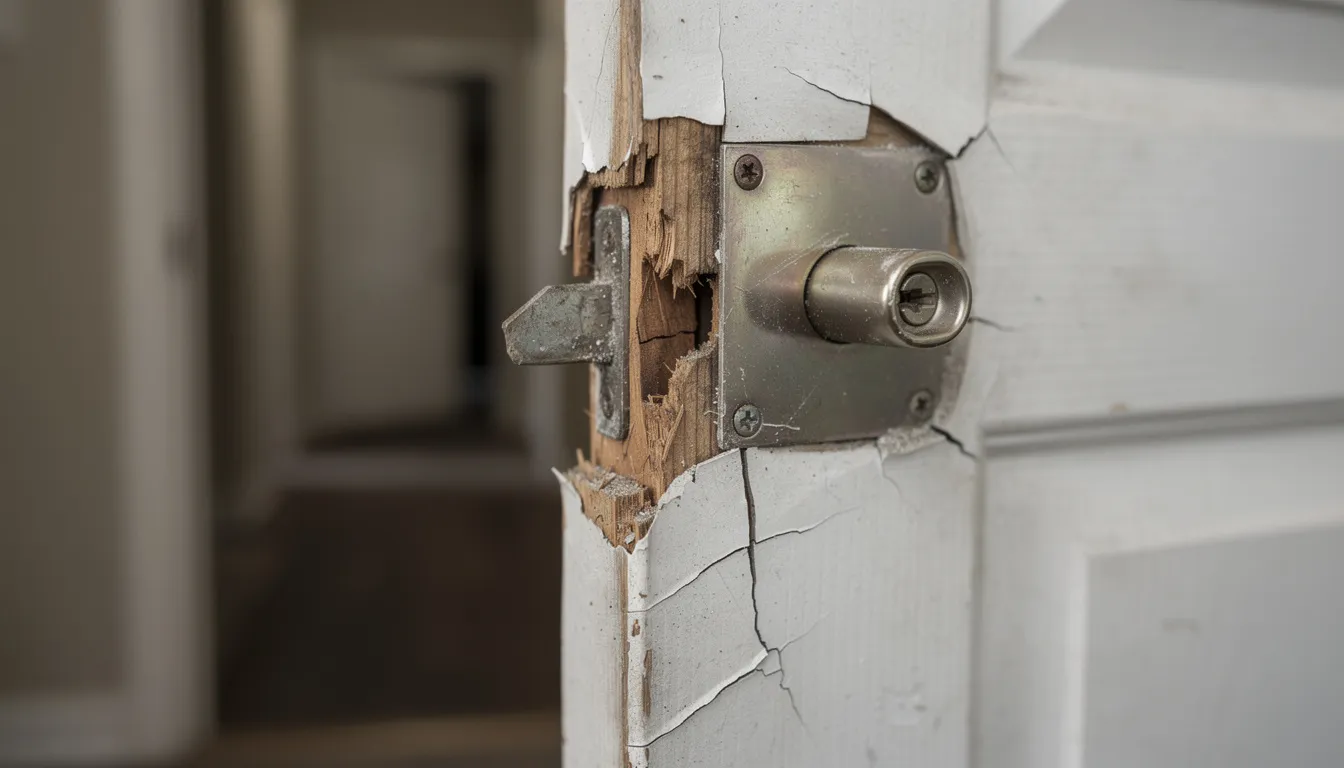
Glass panels near door handles create easy entry points for thieves who can simply break the glass and reach through to unlock the door. This common design flaw eliminates the security benefits of even high-quality locks, leaving your home vulnerable despite your investment in security hardware.
The rise of package delivery has created new security challenges that affect your finances. Delivery theft statistics show $5.4 billion in package losses annually, with unprotected front door areas being prime targets. Each stolen package represents money directly removed from your account, often requiring you to pay for replacement items while dealing with the frustration of missing deliveries.
Smart doorbell and security system costs must be weighed against potential savings from prevented theft. While these systems require upfront investment ranging from $100-500, they often pay for themselves by preventing a single theft incident. The key is understanding that your door’s security features function as financial protection, not just physical security.
The ongoing maintenance requirements of your door create a persistent drain on your monthly budget that many homeowners underestimate. Warped doors, which your husband might overlook, requiring replacement every 8-12 years cost significantly more over time than properly maintained doors lasting 25+ years. This shortened lifespan means you’ll face major replacement expenses multiple times during your home ownership, each costing thousands of dollars. Repairs or maintenance can often take a week or more to complete, causing additional disruption and inconvenience to your daily routine.
Weather stripping replacement needed every 2-3 years at $50-150 per door represents a recurring expense that adds up substantially over time. Many homeowners postpone this maintenance, not realizing that worn weatherstripping contributes directly to the energy loss discussed earlier. The cost of delayed maintenance often exceeds the cost of timely replacement when you factor in increased energy bills.
Painting and refinishing costs of $300-800 every 5-7 years for wooden doors create another predictable expense cycle. These costs become particularly burdensome when you consider that some door materials require more frequent maintenance than others. Homeowners who choose high-maintenance door options often find themselves trapped in expensive upkeep cycles that strain their annual budget. Many have felt overwhelmed or frustrated by the ongoing costs and surprise repairs, especially when unexpected issues arise and disrupt their financial plans.

Foundation and frame damage from water infiltration can cost thousands in repairs when door maintenance is neglected. Water damage typically starts small but compounds rapidly, creating structural issues that require professional intervention. What begins as a minor seal failure can escalate into major foundation repairs that devastate your financial stability.
The cumulative effect of these maintenance issues creates a long-term financial burden that exceeds the initial door cost. When you calculate the total lifetime expense of a poorly maintained door - including energy loss, security risks, and ongoing repairs - the numbers become staggering.
Water leaks in your house are notorious for causing silent, long-term destruction—rotting wood, damaging foundations, and leading to expensive repairs that can devastate your monthly budget. But did you know that financial leaks can be just as damaging to your financial situation and future? Just as a hidden drip can undermine the structure of your home, unnoticed money leaks can quietly erode your budget, making it harder to pay bills, save for big purchases, or plan for the future.
The first sign of a water leak might be a damp spot on the wall or a musty smell, but financial leaks are often harder to recognize. They show up as small, recurring charges on your account, forgotten subscriptions, or impulse purchases that add up over time. Left unchecked, these leaks can drain your cash flow, leaving you wondering where your paycheck went each month and making it difficult to protect your financial foundation.
The good news is, just like with home maintenance, you can take control and fix these leaks before they cause lasting damage. Start by conducting a thorough “leak audit” of your finances: review your bank and credit card statements for any charges you don’t recognize or no longer need. Talk with your spouse or trusted friends about spending habits, and invite them to help you spot areas where you might be losing money. Even small changes—like canceling unused subscriptions or renegotiating service contracts—can add up to significant savings over the course of a year.
If you find a leak, don’t wait to take action. The sooner you address it, the less damage it will do to your budget and your future plans. Protect your financial situation by setting up alerts for unusual account activity, creating a monthly review habit, and making sure every dollar you spend is working toward your goals. Just as you wouldn’t ignore a dripping pipe in your house, don’t let financial leaks go unchecked—fix them now to build a stronger, more secure foundation for your life.
While it might seem unconventional to discuss feng shui in a financial context, many successful business people and homeowners believe that blocked entryways prevent positive financial energy from entering your home. According to feng shui principles, your front door serves as the “mouth of chi” where opportunities and abundance enter your life. Believing in the power of energy flow can influence your financial outcomes, as mindset and intention are seen as key factors in attracting prosperity.
Doors that stick or squeak create negative associations with opportunities in your subconscious mind. Every time you struggle with a difficult door, you’re reinforcing patterns of resistance that may extend to your financial relationships and career advancement. This psychological factor affects how you approach money decisions and opportunity recognition.
Clutter around doorways symbolically blocks money flow according to feng shui theory. When your entrance is cramped or obstructed, you create energetic barriers that may correlate with financial obstacles in your life. Sometimes, you may feel an urge to clear and organize the entrance area—heeding this instinct can be a powerful way to invite positive change and open pathways for financial improvement. Clearing and organizing your entrance area costs little but potentially opens pathways for financial improvement.
Direct alignment between front and back doors causes energy to rush through your home without settling, potentially affecting your ability to accumulate wealth. This “rushing chi” pattern can be corrected through strategic placement of furniture, plants, or decorative elements that slow energy movement. Feng shui experts teach specific strategies for optimizing door placement and arrangement to enhance money flow and support financial well-being.
Mirrors reflecting financial energy away from the home should be positioned carefully to enhance rather than deflect prosperity. The placement and angle of mirrors near your entrance can either welcome abundance or redirect it away from your living space.
Plants and decorations that enhance prosperity energy around your doorway include specific colors and symbols associated with financial growth. Green plants, particularly those with rounded leaves, are thought to attract money energy, while red elements activate prosperity luck.
Modern smart technology offers new ways to save money through your door, but requires careful cost-benefit analysis. Smart locks costing $150-400 can reduce locksmith calls averaging $150 per incident, paying for themselves after preventing just one or two lockouts. These systems also eliminate the need for spare key hiding spots that create security vulnerabilities.
Video doorbells prevent package theft and reduce replacement costs by allowing you to monitor deliveries remotely. These devices send real-time notifications to your phone, keeping you informed about deliveries and visitors as they happen. The average cost of a quality video doorbell ($100-300) often pays for itself by preventing a single stolen package, particularly for households that receive frequent deliveries.
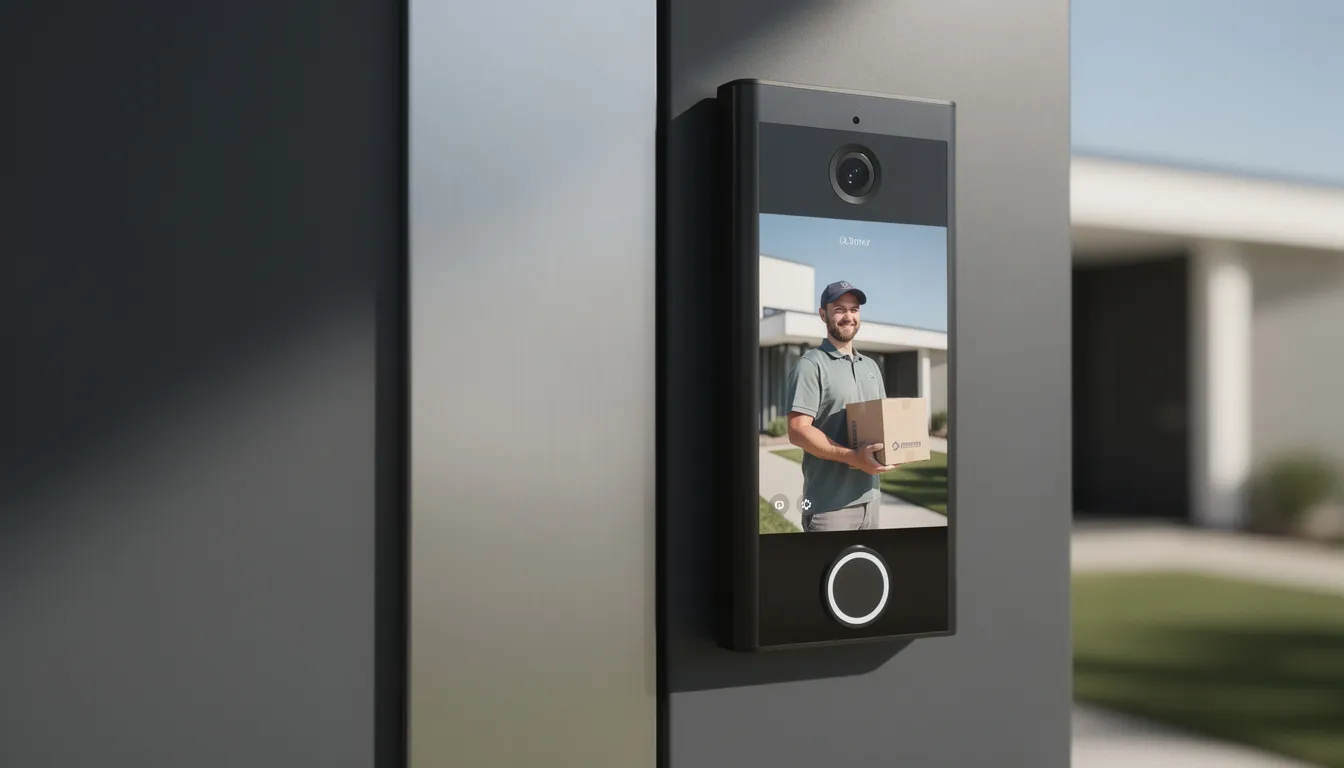
Automated door systems increase convenience but require ongoing maintenance contracts that add to your monthly expenses. While these systems provide luxury and accessibility benefits, the maintenance costs can reach $200-500 annually, making them a significant budget consideration.
Energy monitoring through smart door sensors allows you to track usage patterns and identify inefficiencies in real-time. This data helps you optimize your energy consumption and make informed decisions about additional improvements that could save money.
The key to smart technology success lies in choosing features that address your specific financial pain points rather than pursuing technology for its own sake. Focus on solutions that provide measurable returns through reduced expenses or prevented losses.
Before you can fix any financial leaks, you need a clear picture of your financial situation. Start by gathering information about your income, monthly expenses, and any outstanding debt. Make a comprehensive list of everything you pay for each month—rent or mortgage, utilities, groceries, entertainment, and even those small recurring charges that can add up over time. Review your bank account and credit card statements to spot any payments you may have forgotten about, such as old subscriptions or automatic renewals.
Consider using the 50/30/20 rule to help you create a balanced plan: allocate 50% of your income to needs, 30% to wants, and 20% to savings and debt repayment. There are plenty of online tools and apps that can help you track your spending and create a budget tailored to your life. If you feel overwhelmed, don’t hesitate to seek advice from a financial expert who can help you assess your finances and develop a plan to improve your situation. By understanding exactly where your money is going, you can make smarter choices, reduce debt, and create a plan that supports your financial goals.
Fortunately, many door-related money drains can be addressed through practical solutions that cost less than $100. A comprehensive weatherproofing checklist includes door sweeps ($10-25), weatherstripping tape ($15-30), caulk for gaps around the frame ($5-15), and foam insulation for larger openings ($20-40).
An annual maintenance schedule prevents costly emergency repairs by addressing issues before they become expensive problems. Spring inspection should focus on weatherstripping integrity and hardware function, while fall preparation emphasizes sealing and insulation checks before heating season begins.
Professional energy audits provide specific recommendations for door improvements based on your home’s unique characteristics. Many utility companies offer subsidized audits for $50-100, providing detailed reports worth hundreds in consulting fees. These audits identify exactly where your money is escaping and prioritize improvements by return on investment. Seeking expert advice during this process can help you maximize your savings and ensure you are making the most effective upgrades.
If you decide to finance door improvements, be sure to consider the APR (Annual Percentage Rate) to understand the true cost of borrowing over time. This cost-benefit analysis will help you make informed decisions and avoid unexpected expenses.
Simple weatherproofing tasks like replacing door sweeps and applying weatherstripping can be completed by most homeowners in 2-3 hours using basic tools. Before you start, grab the necessary tools and materials to make your DIY weatherproofing project smooth and efficient. These DIY projects typically cost $50-100 in materials while providing immediate energy savings that justify the investment within one heating or cooling season.
More complex improvements like door frame repairs or hardware upgrades may require professional installation to ensure proper function and warranty coverage. Professional installation costs $200-500 depending on project scope, but provides long-term reliability that DIY approaches may not achieve.
Tax credits and rebates available for energy-efficient door upgrades in 2024 can significantly reduce your net investment cost. The federal energy-efficient home improvement credit allows up to $3,200 annually for qualified improvements, with exterior doors eligible for a 30% tax credit on project cost or $250 per door with a $500 maximum.
Understanding when replacement makes more financial sense than continued repairs requires analyzing both immediate and long-term costs. The general rule suggests replacement when repair costs exceed 50% of replacement price, but door decisions involve additional factors like energy efficiency and security improvements.
Energy savings calculations for upgrading to Energy Star certified doors show payback periods of 5-8 years through reduced utility bills alone. When you factor in improved comfort, reduced HVAC stress, and potential property value increases, the financial justification becomes even stronger. There is hope that by making the right choice now, you can achieve long-term savings and improve your financial outlook.
Home value increases of 4-6% from quality front door replacements provide additional return on investment beyond energy savings. Real estate professionals consistently rank front door upgrades among the highest-return home improvements, particularly when upgrading from outdated or damaged units.
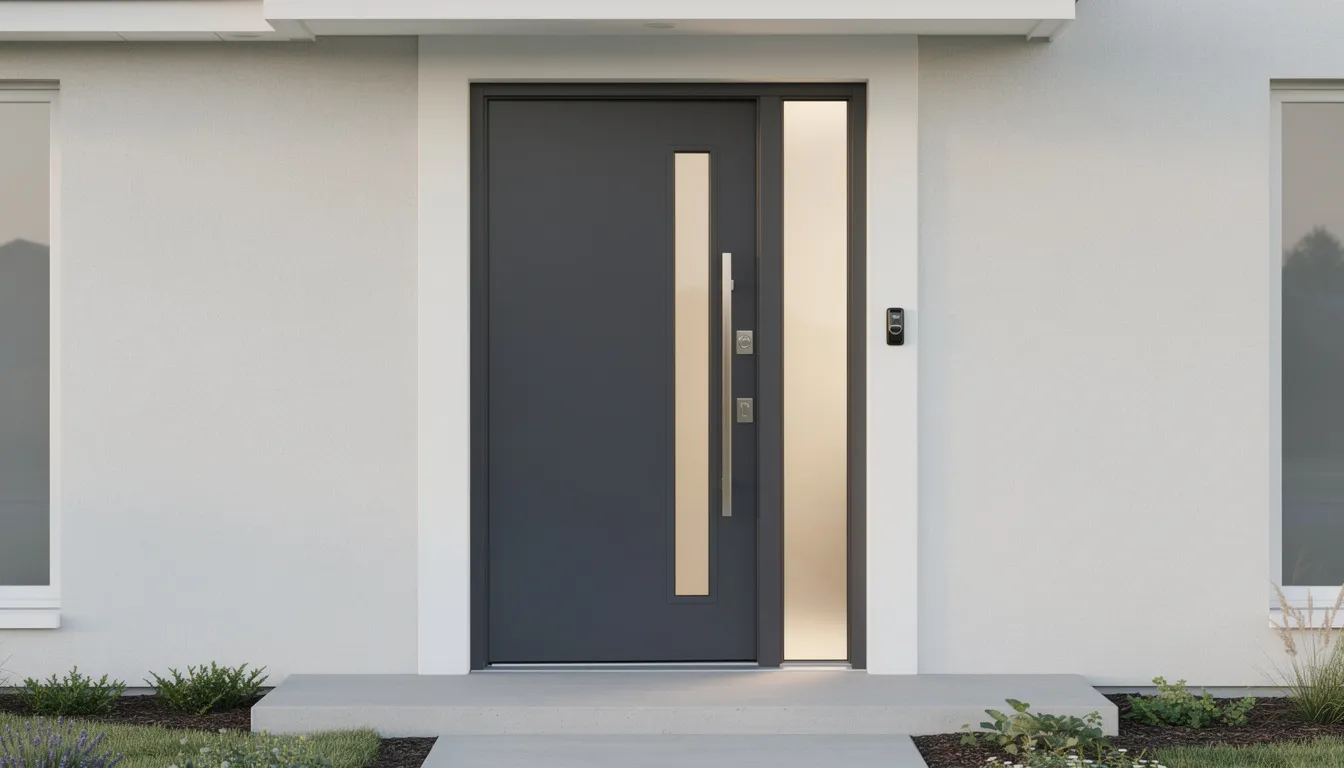
The timeline for recouping investment through energy savings depends on climate zone, energy costs, and efficiency gap between old and new doors. In extreme climate areas, homeowners often recover replacement costs within 3-5 years, while moderate climates may require 7-10 years for full payback.
Consider replacement when multiple systems need attention simultaneously - if your door requires new weatherstripping, hardware repairs, refinishing, and frame work, replacement often provides better value than piecemeal repairs. Replacing your door also allows you to leave behind the cycle of constant repairs and inefficiency, moving forward with a more secure and cost-effective solution.
Facing financial challenges can feel overwhelming, but with the right plan and mindset, you can regain control of your money and move forward. Start by prioritizing your essential expenses—like housing, utilities, and groceries—and look for areas where you can cut back, such as dining out, entertainment, or unused subscriptions. Redirect the money you save toward paying off debt and building your savings.
If you’re struggling with multiple debts, consider consolidating them into a single loan with a lower interest rate to make payments more manageable. Always aim to pay more than the minimum on your debts to reduce the principal faster. You can also look for ways to increase your income, whether it’s taking on a side job, selling items you no longer need, or negotiating a raise at work. Remember, overcoming financial challenges is a journey—stay committed to your plan, adjust as needed, and celebrate your progress along the way. With patience and discipline, you can pay off debt, strengthen your financial situation, and achieve your long-term goals.
Life is full of surprises, and having a solid contingency plan is key to protecting your finances from unexpected events. Start by building an emergency fund that covers at least three to six months of living expenses. This safety net will help you pay for sudden expenses—like medical bills, car repairs, or job loss—without derailing your budget or forcing you into debt.
Consider protecting yourself and your loved ones with insurance policies, such as health, disability, or life insurance, to shield your finances from major setbacks. It’s also wise to have a plan for managing debt if your income drops unexpectedly—know which bills to prioritize and how to communicate with creditors if needed. By planning ahead, you can reduce stress, protect your financial situation, and ensure you’re ready for whatever life throws your way. A well-prepared contingency plan is the foundation for long-term financial stability and peace of mind.
Achieving financial stability isn’t a one-time event—it’s an ongoing process that requires regular attention and smart decision-making. Make it a habit to review your budget and financial situation each month, adjusting your spending and savings as your life changes. Prioritize saving for retirement by contributing to tax-advantaged accounts like a 401(k) or IRA, and look for opportunities to grow your money through investments or career development.
Stay on top of your debt by paying off high-interest accounts first and avoiding new debt whenever possible. If you’re unsure about your next financial move, seek advice from trusted experts or join a community focused on personal finance. By staying proactive, informed, and committed to your goals, you can maintain control over your money, protect your budget, and build a secure future for yourself and your family. Remember, every step you take to strengthen your finances today lays the groundwork for a brighter tomorrow.
Your door’s impact on your monthly budget extends far beyond its initial cost through energy waste, security vulnerabilities, and ongoing maintenance requirements. The average homeowner loses $200-400 annually through door-related inefficiencies, money that could strengthen your financial foundation instead of disappearing through gaps and poor design, which your wife may appreciate understanding. Don’t just guess where your money is being lost—take concrete steps to identify leaks and listen to expert advice. Trust the process of making improvements, and you’ll see real results.
In marriage, open communication about money is essential to avoid financial infidelity and build trust. Financial infidelity happens when you or your spouse intentionally lie about money. One in three people who are married admit to hiding a purchase from their spouse, and 31% of couples say they have a credit card their spouse doesn't know about. Hiding a purchase intentionally is a sign of financial infidelity, and opening secret credit cards or new accounts is a form of financial infidelity. Having a secret savings account can put a wrench in your family's money goals. Financial infidelity can lead to significant trust issues in a relationship, and couples should work together to clean up the mess caused by financial infidelity. Communicating openly about money is essential to overcoming financial infidelity, and budgeting together helps couples get on the same page about money. Budgeting can help couples communicate about money and align their financial goals, and a zero-based budget allows individuals to allocate every dollar, helping them take control of their finances. Maintaining personal bank accounts alongside joint accounts can provide financial security in relationships. Escape funds provide financial freedom to leave a relationship if necessary; many individuals encourage their daughters to establish escape funds for security in relationships. Having personal savings aside for contingency is advised for anyone entering a living-together relationship, and escape funds can help individuals feel secure in their relationships, even if they never need to use them. The concept of escape funds has been passed down through generations as a form of financial security. Communication about finances is crucial to avoid misunderstandings and financial issues. An abundance mindset is the belief that you have enough and will always have what you need, while a scarcity mindset is self-defeating and can hold you back from pursuing opportunities. People with an abundance mindset are more likely to be exposed to better opportunities, and the qualities of openness and generosity associated with an abundance mindset predispose individuals to better opportunities. Believing in an abundance of wealth and opportunity can change how you show up in life and influence your financial decisions. The mindset you adopt regarding money can significantly influence your financial behavior and decision-making. Communicating openly about money can help rebuild trust in relationships and prevent financial infidelity. Sometimes, taking a walk with your spouse or partner can be a good opportunity to talk about money and build trust.
Recognizing these hidden costs represents the first step toward regaining control of your finances. Sometimes, you can even hear the signs of money loss, like drafts or creaks around your door. Small, recurring expenses—like fun activities, lunch outings, buying clothes, and other things—can add up over time, just like unnoticed door leaks. For example, one woman shared how addressing her door’s drafts not only improved her home’s comfort but also helped her save money each month, giving her peace of mind.
The relationship between your door and your financial situation demonstrates how small household details can have outsized impact on your budget. By addressing this often-overlooked expense, you create more room in your monthly budget for savings, debt reduction, or other financial priorities that move you forward toward your goals.
For more tips, check out our related post on our website, and sign up to get practical advice delivered straight to your inbox. Do
You diligently track every expense in your monthly budget, scrutinize your paycheck allocation, and search for ways to save money - but there’s one thing silently draining your finances that you probably never considered. Your front door could be costing you hundreds of dollars every month through energy loss, security vulnerabilities, and ongoing maintenance issues that hurt your financial situation more than you realize. It's important to begin taking proactive steps now to address these hidden costs and prevent further financial loss.
The reason most homeowners never connect their door’s condition to their monthly expenses is that the impact is often gradual and easy to overlook. From energy bills that spike due to poor insulation to costly security breaches and endless maintenance cycles, your door might be the worst investment in your house. Let’s talk about how this seemingly innocent entrance is affecting your finances and what you can do to regain control.
Just as a small crack in your front door can let precious heat or cool air escape, unnoticed financial leaks can quietly drain your monthly budget and hurt your financial situation. These leaks might not be as obvious as a drafty door, but over time, they can cause you to lose money and make it harder to pay bills, save for the future, or get out of debt. Recognizing the signs of financial leaks—like unexplained charges, forgotten subscriptions, or impulse purchases—is the first step toward regaining control.
By creating a detailed monthly budget and tracking your expenses, you can shine a light on the hidden places where your money is slipping away. This process not only helps you save money but also gives you the power to make informed decisions about your finances. When you take control and address these leaks, you protect your house, your budget, and your financial future. Remember, every dollar you save by plugging a financial leak is a dollar you can use to pay down debt, build your savings, or invest in your goals.
The most immediate way your door lets money escape every month is through energy loss that directly impacts your utility bills. Energy-efficient doors can save homeowners $150-400 annually, which means an inefficient door is costing you this amount in wasted energy costs. That translates to $15-35 monthly during peak heating and cooling seasons when your HVAC system struggles to maintain comfortable temperatures.
Poor door seals create the perfect conditions for heated and cooled air to escape your home, forcing your HVAC system to work overtime. When cold air seeps through gaps around your door frame during winter, your heating system cycles more frequently to compensate for the temperature drop. The same principle applies in reverse during summer months when hot exterior air infiltrates your home, overwhelming your cooling system.
Single-pane glass doors lose up to 30% more energy than properly insulated alternatives. This energy waste from frequent system cycling puts additional stress on your HVAC equipment, leading to higher fuel consumption, increased wear on mechanical components, and reduced system lifespan. Ignoring these issues can make things even worse, resulting in costly system failures or emergency repairs that far exceed the price of fixing a drafty door. In extreme climate zones like St. Louis, where summers routinely reach 90-100 degrees and winters create substantial heating demands, replacing doors with high-quality units can reduce annual energy use by over 13 percent.
You can identify problem areas using simple draft detection methods with candles or incense. Light a candle or incense stick and slowly move it around your door frame, paying attention to areas where the flame flickers or smoke moves erratically. For even more accurate results, you can turn off your HVAC system temporarily before testing, which helps you better identify where drafts are entering. These movement patterns indicate air infiltration points where your money is literally flowing out of your house, a fact you can share with friends to help them assess their own doors .
The physics behind this energy loss relates to thermal resistance and air infiltration rates. Standard doors typically lack proper insulation materials and weatherproofing, creating unrestricted airflow paths. Modern energy-efficient doors employ multiple construction layers with multi-pane glass featuring Low-E coatings and thermally broken frames that interrupt heat transfer pathways.
Beyond energy costs, weak security features in your door create financial vulnerabilities that extend far beyond the initial purchase price. Weak door frames invite break-ins, with the average burglary resulting in losses of $2,661 per incident according to FBI crime statistics. This one event can devastate your budget and require years to recover from financially. After a security incident, homeowners are often called by their insurance company to discuss claims and next steps, adding to the stress and complexity of the situation.
Outdated locks increase insurance premiums by 10-15% in high-risk areas, creating an ongoing monthly expense that compounds over time. Insurance companies recognize that poor door security correlates with higher claim rates, and they adjust your premiums accordingly. This means your door’s security features directly impact your monthly insurance costs, often without homeowners recognizing the connection.
Glass panels near door handles create easy entry points for thieves who can simply break the glass and reach through to unlock the door. This common design flaw eliminates the security benefits of even high-quality locks, leaving your home vulnerable despite your investment in security hardware.
The rise of package delivery has created new security challenges that affect your finances. Delivery theft statistics show $5.4 billion in package losses annually, with unprotected front door areas being prime targets. Each stolen package represents money directly removed from your account, often requiring you to pay for replacement items while dealing with the frustration of missing deliveries.
Smart doorbell and security system costs must be weighed against potential savings from prevented theft. While these systems require upfront investment ranging from $100-500, they often pay for themselves by preventing a single theft incident. The key is understanding that your door’s security features function as financial protection, not just physical security.
The ongoing maintenance requirements of your door create a persistent drain on your monthly budget that many homeowners underestimate. Warped doors, which your husband might overlook, requiring replacement every 8-12 years cost significantly more over time than properly maintained doors lasting 25+ years. This shortened lifespan means you’ll face major replacement expenses multiple times during your home ownership, each costing thousands of dollars. Repairs or maintenance can often take a week or more to complete, causing additional disruption and inconvenience to your daily routine.
Weather stripping replacement needed every 2-3 years at $50-150 per door represents a recurring expense that adds up substantially over time. Many homeowners postpone this maintenance, not realizing that worn weatherstripping contributes directly to the energy loss discussed earlier. The cost of delayed maintenance often exceeds the cost of timely replacement when you factor in increased energy bills.
Painting and refinishing costs of $300-800 every 5-7 years for wooden doors create another predictable expense cycle. These costs become particularly burdensome when you consider that some door materials require more frequent maintenance than others. Homeowners who choose high-maintenance door options often find themselves trapped in expensive upkeep cycles that strain their annual budget. Many have felt overwhelmed or frustrated by the ongoing costs and surprise repairs, especially when unexpected issues arise and disrupt their financial plans.
Foundation and frame damage from water infiltration can cost thousands in repairs when door maintenance is neglected. Water damage typically starts small but compounds rapidly, creating structural issues that require professional intervention. What begins as a minor seal failure can escalate into major foundation repairs that devastate your financial stability.
The cumulative effect of these maintenance issues creates a long-term financial burden that exceeds the initial door cost. When you calculate the total lifetime expense of a poorly maintained door - including energy loss, security risks, and ongoing repairs - the numbers become staggering.
Water leaks in your house are notorious for causing silent, long-term destruction—rotting wood, damaging foundations, and leading to expensive repairs that can devastate your monthly budget. But did you know that financial leaks can be just as damaging to your financial situation and future? Just as a hidden drip can undermine the structure of your home, unnoticed money leaks can quietly erode your budget, making it harder to pay bills, save for big purchases, or plan for the future.
The first sign of a water leak might be a damp spot on the wall or a musty smell, but financial leaks are often harder to recognize. They show up as small, recurring charges on your account, forgotten subscriptions, or impulse purchases that add up over time. Left unchecked, these leaks can drain your cash flow, leaving you wondering where your paycheck went each month and making it difficult to protect your financial foundation.
The good news is, just like with home maintenance, you can take control and fix these leaks before they cause lasting damage. Start by conducting a thorough “leak audit” of your finances: review your bank and credit card statements for any charges you don’t recognize or no longer need. Talk with your spouse or trusted friends about spending habits, and invite them to help you spot areas where you might be losing money. Even small changes—like canceling unused subscriptions or renegotiating service contracts—can add up to significant savings over the course of a year.
If you find a leak, don’t wait to take action. The sooner you address it, the less damage it will do to your budget and your future plans. Protect your financial situation by setting up alerts for unusual account activity, creating a monthly review habit, and making sure every dollar you spend is working toward your goals. Just as you wouldn’t ignore a dripping pipe in your house, don’t let financial leaks go unchecked—fix them now to build a stronger, more secure foundation for your life.
While it might seem unconventional to discuss feng shui in a financial context, many successful business people and homeowners believe that blocked entryways prevent positive financial energy from entering your home. According to feng shui principles, your front door serves as the “mouth of chi” where opportunities and abundance enter your life. Believing in the power of energy flow can influence your financial outcomes, as mindset and intention are seen as key factors in attracting prosperity.
Doors that stick or squeak create negative associations with opportunities in your subconscious mind. Every time you struggle with a difficult door, you’re reinforcing patterns of resistance that may extend to your financial relationships and career advancement. This psychological factor affects how you approach money decisions and opportunity recognition.
Clutter around doorways symbolically blocks money flow according to feng shui theory. When your entrance is cramped or obstructed, you create energetic barriers that may correlate with financial obstacles in your life. Sometimes, you may feel an urge to clear and organize the entrance area—heeding this instinct can be a powerful way to invite positive change and open pathways for financial improvement. Clearing and organizing your entrance area costs little but potentially opens pathways for financial improvement.
Direct alignment between front and back doors causes energy to rush through your home without settling, potentially affecting your ability to accumulate wealth. This “rushing chi” pattern can be corrected through strategic placement of furniture, plants, or decorative elements that slow energy movement. Feng shui experts teach specific strategies for optimizing door placement and arrangement to enhance money flow and support financial well-being.
Mirrors reflecting financial energy away from the home should be positioned carefully to enhance rather than deflect prosperity. The placement and angle of mirrors near your entrance can either welcome abundance or redirect it away from your living space.
Plants and decorations that enhance prosperity energy around your doorway include specific colors and symbols associated with financial growth. Green plants, particularly those with rounded leaves, are thought to attract money energy, while red elements activate prosperity luck.
Modern smart technology offers new ways to save money through your door, but requires careful cost-benefit analysis. Smart locks costing $150-400 can reduce locksmith calls averaging $150 per incident, paying for themselves after preventing just one or two lockouts. These systems also eliminate the need for spare key hiding spots that create security vulnerabilities.
Video doorbells prevent package theft and reduce replacement costs by allowing you to monitor deliveries remotely. These devices send real-time notifications to your phone, keeping you informed about deliveries and visitors as they happen. The average cost of a quality video doorbell ($100-300) often pays for itself by preventing a single stolen package, particularly for households that receive frequent deliveries.
Automated door systems increase convenience but require ongoing maintenance contracts that add to your monthly expenses. While these systems provide luxury and accessibility benefits, the maintenance costs can reach $200-500 annually, making them a significant budget consideration.
Energy monitoring through smart door sensors allows you to track usage patterns and identify inefficiencies in real-time. This data helps you optimize your energy consumption and make informed decisions about additional improvements that could save money.
The key to smart technology success lies in choosing features that address your specific financial pain points rather than pursuing technology for its own sake. Focus on solutions that provide measurable returns through reduced expenses or prevented losses.
Before you can fix any financial leaks, you need a clear picture of your financial situation. Start by gathering information about your income, monthly expenses, and any outstanding debt. Make a comprehensive list of everything you pay for each month—rent or mortgage, utilities, groceries, entertainment, and even those small recurring charges that can add up over time. Review your bank account and credit card statements to spot any payments you may have forgotten about, such as old subscriptions or automatic renewals.
Consider using the 50/30/20 rule to help you create a balanced plan: allocate 50% of your income to needs, 30% to wants, and 20% to savings and debt repayment. There are plenty of online tools and apps that can help you track your spending and create a budget tailored to your life. If you feel overwhelmed, don’t hesitate to seek advice from a financial expert who can help you assess your finances and develop a plan to improve your situation. By understanding exactly where your money is going, you can make smarter choices, reduce debt, and create a plan that supports your financial goals.
Fortunately, many door-related money drains can be addressed through practical solutions that cost less than $100. A comprehensive weatherproofing checklist includes door sweeps ($10-25), weatherstripping tape ($15-30), caulk for gaps around the frame ($5-15), and foam insulation for larger openings ($20-40).
An annual maintenance schedule prevents costly emergency repairs by addressing issues before they become expensive problems. Spring inspection should focus on weatherstripping integrity and hardware function, while fall preparation emphasizes sealing and insulation checks before heating season begins.
Professional energy audits provide specific recommendations for door improvements based on your home’s unique characteristics. Many utility companies offer subsidized audits for $50-100, providing detailed reports worth hundreds in consulting fees. These audits identify exactly where your money is escaping and prioritize improvements by return on investment. Seeking expert advice during this process can help you maximize your savings and ensure you are making the most effective upgrades.
If you decide to finance door improvements, be sure to consider the APR (Annual Percentage Rate) to understand the true cost of borrowing over time. This cost-benefit analysis will help you make informed decisions and avoid unexpected expenses.
Simple weatherproofing tasks like replacing door sweeps and applying weatherstripping can be completed by most homeowners in 2-3 hours using basic tools. Before you start, grab the necessary tools and materials to make your DIY weatherproofing project smooth and efficient. These DIY projects typically cost $50-100 in materials while providing immediate energy savings that justify the investment within one heating or cooling season.
More complex improvements like door frame repairs or hardware upgrades may require professional installation to ensure proper function and warranty coverage. Professional installation costs $200-500 depending on project scope, but provides long-term reliability that DIY approaches may not achieve.
Tax credits and rebates available for energy-efficient door upgrades in 2024 can significantly reduce your net investment cost. The federal energy-efficient home improvement credit allows up to $3,200 annually for qualified improvements, with exterior doors eligible for a 30% tax credit on project cost or $250 per door with a $500 maximum.
Understanding when replacement makes more financial sense than continued repairs requires analyzing both immediate and long-term costs. The general rule suggests replacement when repair costs exceed 50% of replacement price, but door decisions involve additional factors like energy efficiency and security improvements.
Energy savings calculations for upgrading to Energy Star certified doors show payback periods of 5-8 years through reduced utility bills alone. When you factor in improved comfort, reduced HVAC stress, and potential property value increases, the financial justification becomes even stronger. There is hope that by making the right choice now, you can achieve long-term savings and improve your financial outlook.
Home value increases of 4-6% from quality front door replacements provide additional return on investment beyond energy savings. Real estate professionals consistently rank front door upgrades among the highest-return home improvements, particularly when upgrading from outdated or damaged units.
The timeline for recouping investment through energy savings depends on climate zone, energy costs, and efficiency gap between old and new doors. In extreme climate areas, homeowners often recover replacement costs within 3-5 years, while moderate climates may require 7-10 years for full payback.
Consider replacement when multiple systems need attention simultaneously - if your door requires new weatherstripping, hardware repairs, refinishing, and frame work, replacement often provides better value than piecemeal repairs. Replacing your door also allows you to leave behind the cycle of constant repairs and inefficiency, moving forward with a more secure and cost-effective solution.
Facing financial challenges can feel overwhelming, but with the right plan and mindset, you can regain control of your money and move forward. Start by prioritizing your essential expenses—like housing, utilities, and groceries—and look for areas where you can cut back, such as dining out, entertainment, or unused subscriptions. Redirect the money you save toward paying off debt and building your savings.
If you’re struggling with multiple debts, consider consolidating them into a single loan with a lower interest rate to make payments more manageable. Always aim to pay more than the minimum on your debts to reduce the principal faster. You can also look for ways to increase your income, whether it’s taking on a side job, selling items you no longer need, or negotiating a raise at work. Remember, overcoming financial challenges is a journey—stay committed to your plan, adjust as needed, and celebrate your progress along the way. With patience and discipline, you can pay off debt, strengthen your financial situation, and achieve your long-term goals.
Life is full of surprises, and having a solid contingency plan is key to protecting your finances from unexpected events. Start by building an emergency fund that covers at least three to six months of living expenses. This safety net will help you pay for sudden expenses—like medical bills, car repairs, or job loss—without derailing your budget or forcing you into debt.
Consider protecting yourself and your loved ones with insurance policies, such as health, disability, or life insurance, to shield your finances from major setbacks. It’s also wise to have a plan for managing debt if your income drops unexpectedly—know which bills to prioritize and how to communicate with creditors if needed. By planning ahead, you can reduce stress, protect your financial situation, and ensure you’re ready for whatever life throws your way. A well-prepared contingency plan is the foundation for long-term financial stability and peace of mind.
Achieving financial stability isn’t a one-time event—it’s an ongoing process that requires regular attention and smart decision-making. Make it a habit to review your budget and financial situation each month, adjusting your spending and savings as your life changes. Prioritize saving for retirement by contributing to tax-advantaged accounts like a 401(k) or IRA, and look for opportunities to grow your money through investments or career development.
Stay on top of your debt by paying off high-interest accounts first and avoiding new debt whenever possible. If you’re unsure about your next financial move, seek advice from trusted experts or join a community focused on personal finance. By staying proactive, informed, and committed to your goals, you can maintain control over your money, protect your budget, and build a secure future for yourself and your family. Remember, every step you take to strengthen your finances today lays the groundwork for a brighter tomorrow.
Your door’s impact on your monthly budget extends far beyond its initial cost through energy waste, security vulnerabilities, and ongoing maintenance requirements. The average homeowner loses $200-400 annually through door-related inefficiencies, money that could strengthen your financial foundation instead of disappearing through gaps and poor design, which your wife may appreciate understanding. Don’t just guess where your money is being lost—take concrete steps to identify leaks and listen to expert advice. Trust the process of making improvements, and you’ll see real results.
In marriage, open communication about money is essential to avoid financial infidelity and build trust. Financial infidelity happens when you or your spouse intentionally lie about money. One in three people who are married admit to hiding a purchase from their spouse, and 31% of couples say they have a credit card their spouse doesn't know about. Hiding a purchase intentionally is a sign of financial infidelity, and opening secret credit cards or new accounts is a form of financial infidelity. Having a secret savings account can put a wrench in your family's money goals. Financial infidelity can lead to significant trust issues in a relationship, and couples should work together to clean up the mess caused by financial infidelity. Communicating openly about money is essential to overcoming financial infidelity, and budgeting together helps couples get on the same page about money. Budgeting can help couples communicate about money and align their financial goals, and a zero-based budget allows individuals to allocate every dollar, helping them take control of their finances. Maintaining personal bank accounts alongside joint accounts can provide financial security in relationships. Escape funds provide financial freedom to leave a relationship if necessary; many individuals encourage their daughters to establish escape funds for security in relationships. Having personal savings aside for contingency is advised for anyone entering a living-together relationship, and escape funds can help individuals feel secure in their relationships, even if they never need to use them. The concept of escape funds has been passed down through generations as a form of financial security. Communication about finances is crucial to avoid misunderstandings and financial issues. An abundance mindset is the belief that you have enough and will always have what you need, while a scarcity mindset is self-defeating and can hold you back from pursuing opportunities. People with an abundance mindset are more likely to be exposed to better opportunities, and the qualities of openness and generosity associated with an abundance mindset predispose individuals to better opportunities. Believing in an abundance of wealth and opportunity can change how you show up in life and influence your financial decisions. The mindset you adopt regarding money can significantly influence your financial behavior and decision-making. Communicating openly about money can help rebuild trust in relationships and prevent financial infidelity. Sometimes, taking a walk with your spouse or partner can be a good opportunity to talk about money and build trust.
Recognizing these hidden costs represents the first step toward regaining control of your finances. Sometimes, you can even hear the signs of money loss, like drafts or creaks around your door. Small, recurring expenses—like fun activities, lunch outings, buying clothes, and other things—can add up over time, just like unnoticed door leaks. For example, one woman shared how addressing her door’s drafts not only improved her home’s comfort but also helped her save money each month, giving her peace of mind.
The relationship between your door and your financial situation demonstrates how small household details can have outsized impact on your budget. By addressing this often-overlooked expense, you create more room in your monthly budget for savings, debt reduction, or other financial priorities that move you forward toward your goals.
For more tips, check out our related post on our website, and sign up to get practical advice delivered straight to your inbox. Don’t miss our special Wednesday newsletter for easy recipes, wellbeing ideas, and home and garden tips. Remember, financial setbacks are not the end of the world—positive change is always possible when you take action.
n’t miss our special Wednesday newsletter for easy recipes, wellbeing ideas, and home and garden tips. Remember, financial setbacks are not the end of the world—positive change is always possible when you take action,

Trade Program
Are You a Trade Professional?
Architects, designers, and contractors receive exclusive pricing and dedicated project support.
Learn About Trade Pricing →Get Started
Our team can help with product selection, sizing, and specification — at no charge.


