My shopping cart
Your cart is currently empty.
Continue Shopping
Meta Description: Select the perfect interior door style for your architecture. Compare minimalist flush doors, classic paneled designs, and ultra-modern hidden frame solutions.
As an interior designer, I often see homeowners get stuck between three main categories: the sleek flush door, the traditional paneled door, and the ultra-modern hidden frame door. Each offers a distinct aesthetic and functional profile. Understanding the nuances of these styles, from how they catch the light to how they impact your project’s budget, is essential for creating a cohesive home design.
In this guide, we will break down the differences between these three major styles to help you determine which solution best aligns with your vision and lifestyle.
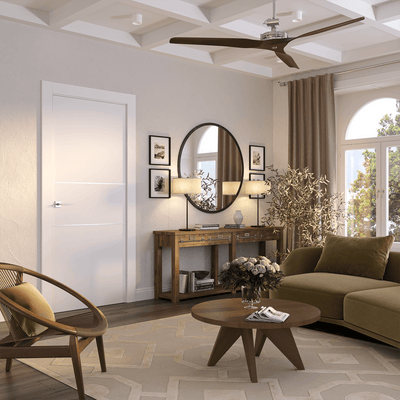
A flush door interior design is characterized by a completely flat, smooth surface on both sides. Unlike traditional doors, flush doors have no raised panels, decorative moldings, or recessed grooves. They are the epitome of "less is more."
The primary benefit of a flush door is its ability to recede into the background. In modern or minimalist homes, you often want the focus to remain on the furniture, the view, or the overall sense of space. A flush door provides a clean, uninterrupted surface that doesn't compete for visual attention.
The most common complaint with basic flush doors is that they can look "flat" or "builder-grade" if you don't choose high-quality materials. To avoid this, I recommend looking for solid-core options with premium finishes. A solid-core flush door provides a heavy, high-end feel and significantly better sound insulation than the hollow versions found in big-box stores.

Paneled doors are constructed using a framework of stiles (vertical pieces) and rails (horizontal pieces) that house recessed or raised panels. This construction creates a rhythmic pattern of shadows and highlights that adds immediate architectural interest to a hallway.
If your home leans toward traditional, transitional, or "Modern Farmhouse" styles, paneled doors are usually the correct choice. They add a sense of craftsmanship and "weight" to an interior that flat doors sometimes lack.
Paneled doors do require more maintenance than flush doors. Dust tends to settle in the recessed corners of the panels, which means they require more frequent wiping. Additionally, because they have more visual detail, they can sometimes make a very small, cramped space feel even busier. For modern projects that still want texture, I often suggest modern interior doors with simple horizontal routing rather than traditional raised panels.

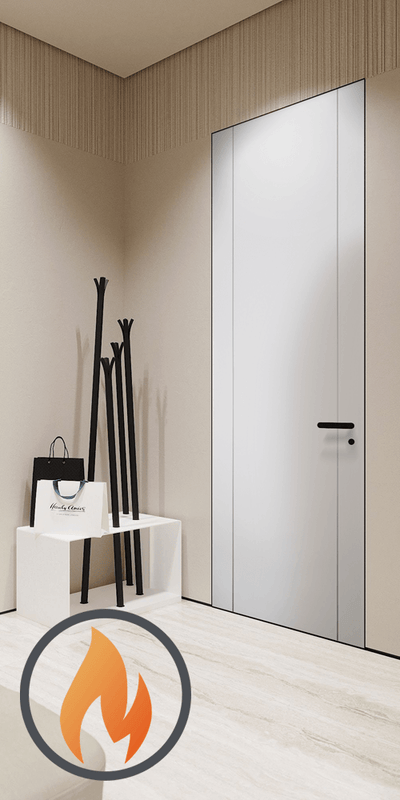
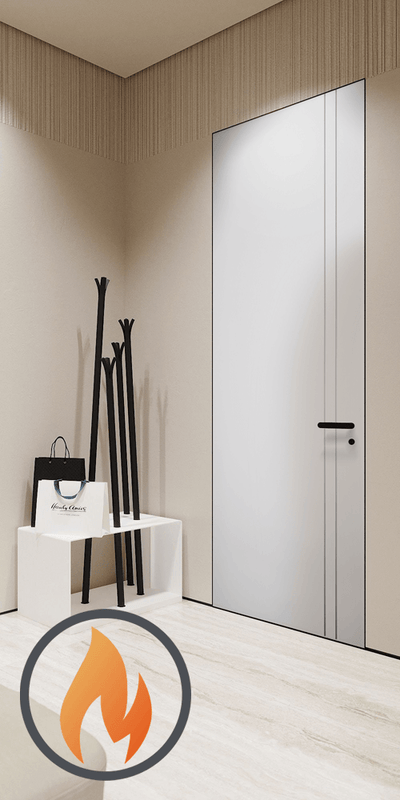
Often referred to as "filomuro" (Italian for "flush with the wall"), hidden frame doors are the gold standard for high-end modern architecture. These doors utilize a specialized aluminum frame that is plastered directly into the drywall, allowing the door to sit perfectly flush with the wall surface.
Hidden frame doors are used when you want a "gallery" look where the architecture itself is the star. There are no visible casings, no trim, and the hinges are completely concealed within the frame.
It is important to note that hidden frame doors are a premium investment. They require more technical expertise to install than standard doors because the frame must be perfectly leveled and integrated into the wall during the framing and drywall stages. If you are looking for a high-impact, luxury finish, this is the style that delivers.

| Feature | Flush Doors | Paneled Doors | Hidden Frame Doors |
|---|---|---|---|
| Aesthetic | Minimalist / Simple | Traditional / Detailed | Ultra-Modern / Invisible |
| Visible Frame | Standard casing | Standard casing | None (Concealed) |
| Cleaning | Very Easy | Moderate (Dusts in grooves) | Very Easy |
| Standard Cost | Lowest | Mid-Range | Highest |
| Best For | Modern apartments | Traditional/Transitional homes | Luxury minimalist builds |
The Challenge: "My hallway feels small and cluttered with too many door frames."
The Solution: Switch to hidden frame doors or flush doors painted the same color as the wall. By removing the contrasting trim and the "stepped" look of panels, you reduce visual noise, which trickles down to a more peaceful, spacious-feeling environment.
The Challenge: "My rooms feel too plain and lack 'soul'."
The Solution: Introduce paneled doors. The architectural geometry of a paneled door acts like a permanent piece of art on your walls. Even a simple modern interior door with three or four panels can provide the structural "anchor" a room needs.
The Challenge: "I need to hide a pantry or a private home office."
The Solution: Use a hidden frame door finished with the same material as the wall (such as wallpaper or wood paneling). This allows the door to blend into a "feature wall," keeping the room’s entrance a secret until you need it.
Are flush doors cheaper than paneled doors?
Generally, yes. Because a flush door is a single flat slab, the manufacturing process is simpler. However, this price gap narrows when you move into high-quality solid-core doors or exotic wood veneers. Don't mistake "flush" for "cheap", some of the world’s most expensive doors are flush-style with rare finishes.
Can I mix styles in the same house?
You certainly can, but you should have a logic for doing so. A common designer tactic is to use hidden frame doors in public areas like the living room and entryway to create a "wow" factor, while using high-quality flush or simple paneled doors in private areas like bedrooms and laundry rooms to manage the budget.
What hardware works best with these styles?
A "slab" door refers to the door itself without a frame, hinges, or handle. A "flush" door refers to the style of that slab, meaning it is flat and smooth. You can buy a "flush slab door."
Yes, but it is a more intensive project. You will need to remove the existing door, frame, and some of the surrounding drywall to install the specialized aluminum concealed frame and then patch/paint the wall to achieve the seamless look.
Only if they are solid-core. Many standard flush doors are "hollow-core," which means they are mostly air inside. If sound privacy is important for your office or bedroom, always specify solid-core interior doors.
Paneled doors: specifically "Shaker" style doors with simple, square-edged panels: are the hallmark of the Modern Farmhouse aesthetic.
Selecting between flush, paneled, and hidden frame doors isn't just about following a trend; it's about understanding how you want your home to feel.
If you value a quiet, minimalist environment where the architecture takes a backseat to your life, flush doors are a reliable and stylish choice. If you want to lean into classic architectural details and add warmth and texture to your rooms, paneled doors remain the gold standard. For those looking to push the boundaries of contemporary luxury and achieve a seamless, high-end "invisible" look, hidden frame doors are the ultimate solution.
Regardless of the style you choose, remember that the quality of the core and the finish will determine how long your doors last and how well they perform. Investing in a premium door collection ensures that your home doesn't just look good on day one, but continues to function beautifully for decades.
If you are still unsure which direction to take, consider your home's existing trim and molding. If you have elaborate crown molding, paneled doors will feel right at home. If you have no trim and a clean, modern aesthetic, it’s time to look at flush or hidden frame options.
Volume Discount
Save on 6+ Door Orders
Order six or more doors and receive a special volume discount on your purchase.
Shop Now →Free Quote
Have a Door Schedule?
Send us your specifications and receive a custom quote - no obligation.
Send Schedule →No Obligation
Get a Free Quote
Tell us what you need and we will send a detailed quote within 24 hours.
Request Quote →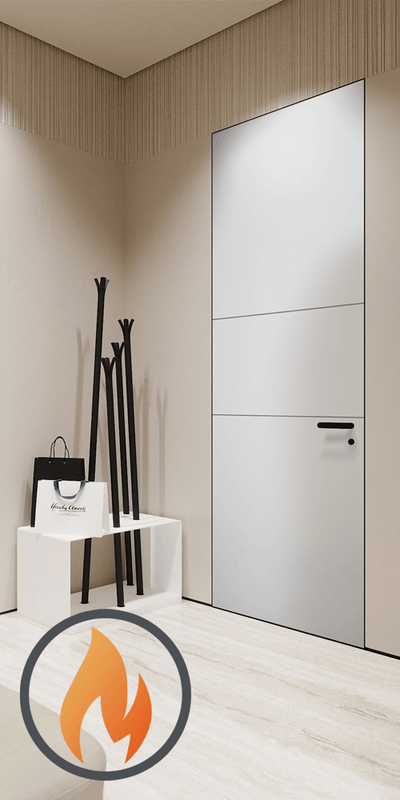
Flexible Payments
Financing Available
Spread the cost of your door project with our flexible financing options.
Learn More →Trade Program
Are You a Trade Professional?
Architects, designers, and contractors receive exclusive pricing and dedicated project support.
Learn About Trade Pricing →Get Started
Our team can help with product selection, sizing, and specification — at no charge.
Sign up for our mailing list to receive new product alerts, special offers, and coupon codes.
© 2026 My City Doors |


