My shopping cart
Your cart is currently empty.
Continue Shopping
Replacing an interior door can be a simple cosmetic update, or a detailed architectural renovation. The final interior door replacement cost depends on more than the door slab itself. Your budget may also include the frame, hardware, custom sizing, finish, demolition, installation, painting, and any changes to the wall opening.
In 2026, many homeowners should plan for approximately $200–$500 per standard interior door installed at the basic end, while midrange projects often fall between $500 and $900 per door. Custom modern interior doors, European-style doors, glass systems, pocket doors, and tall architectural openings can reach $900–$1,700 or more per door installed.
The right budget begins with understanding what you are actually replacing.
For planning purposes, use these typical installed ranges:
| Door replacement type | Approximate 2026 cost per door |
|---|---|
| Basic hollow-core door | $200–$500 |
| Standard solid-core door | $400–$900 |
| Modern flush interior door | $500–$1,000 |
| Custom-size European-style door | $800–$1,700+ |
| Interior glass or French door | $600–$1,500+ |
| Pocket or sliding door system | $800–$1,800+ |
These are broad national planning ranges. Local labor rates, access, project size, and the condition of your existing openings can move the price considerably.
A straightforward replacement costs less. A fully integrated door system costs more.
The most accurate way to estimate your budget is to separate the project into individual cost categories.
The door itself usually represents the largest material cost. Your choice affects appearance, durability, weight, privacy, and sound control.
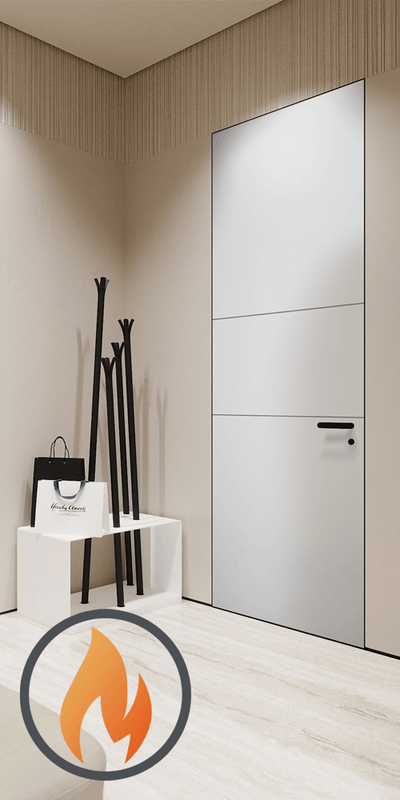
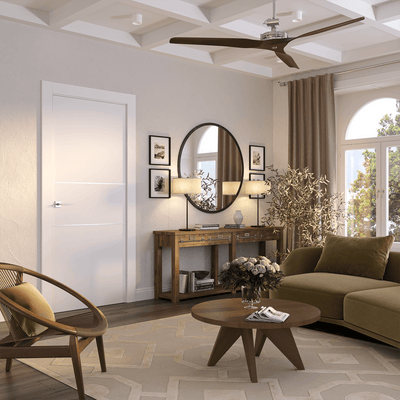
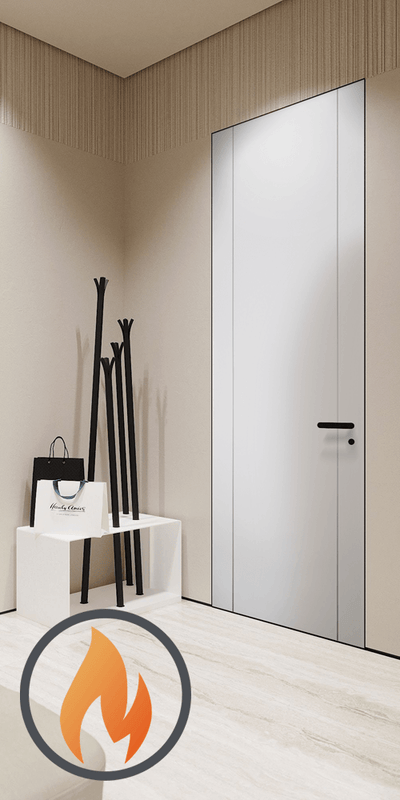
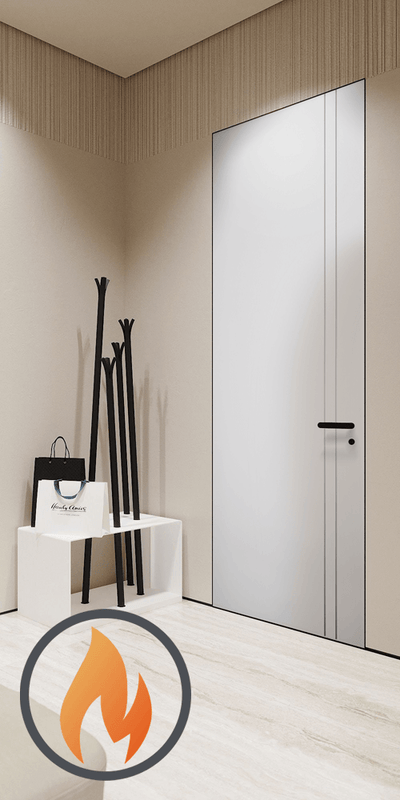
For a cohesive architectural look, many homeowners choose the modern European interior doors category, where clean lines and refined finishes are central to the design.
A door slab is the door panel only. A prehung door arrives attached to its frame with hinges already installed.
A slab replacement may cost less when your existing frame is straight, square, undamaged, and compatible with the new door. However, the installer must accurately transfer hinge and latch locations. Small errors can cause rubbing, uneven gaps, or a door that does not latch properly.
A prehung unit replaces the frame as well. This is often the better choice when:
a. The existing jamb is damaged or out of square.
b. You want a new frame profile or concealed-frame appearance.
c. The opening dimensions are changing.
d. You are upgrading to a heavier or taller door.
Replacing the complete system generally increases material and labor costs, but it can produce a cleaner and more reliable result.
Standard door sizes help control costs. Custom dimensions increase them.
Many older homes have openings that are slightly different from current standards. You may also want a taller door, a wider passage, or a floor-to-ceiling design. Custom sizing can add approximately $200–$500 or more per door, depending on the construction and finish.
Custom work may include:
Measure the opening before selecting a door. Measure the width, height, wall thickness, jamb depth, and floor clearance. Do not rely only on the nominal door size.

Hardware is a small visual detail with a meaningful effect on both cost and performance.
Basic knobs, levers, hinges, and latches may cost approximately $20–$70 per door. Midrange hardware commonly falls between $60 and $150, while premium European-style hardware can reach $150–$300 or more when several components are combined.
Your hardware budget may include:
A modern door can look unfinished if the hardware is treated as an afterthought. Coordinate the finish with nearby lighting, plumbing fixtures, cabinetry, and furniture.
Matte black, brushed metal, and understated chrome are common choices for contemporary interiors.
Yes. The operating style determines how much carpentry and hardware work is required.
A standard swing door is usually the simplest to replace, particularly when the new door fits the existing frame. Browse swing doors when you want a traditional opening with a more refined contemporary profile.
Pocket doors slide into the wall and save valuable floor space. They are especially useful in bathrooms, offices, laundry rooms, and narrow hallways.
If the wall is already prepared for a pocket system, replacement may be relatively straightforward. If not, the wall may need to be opened, reframed, and finished. Plumbing, electrical wiring, insulation, and structural supports must be checked before work begins.
See the pocket door collection for space-saving configurations.
These systems mount on a visible track and can create a strong design statement. The door opening itself may be simpler than a pocket door, but the wall must support the track and the required clearance.
Sliding systems can also require more precise adjustment to prevent vibration, noise, or uneven movement.
Glass doors improve light flow between rooms while maintaining separation. French doors can create a wider opening but may require additional alignment and hardware.
For rooms that need brightness without complete visual exposure, consider interior doors with glass.
European-style doors often sit in the upper half of the pricing range because they are designed as architectural systems rather than simple replacement panels.
The additional cost may reflect:
More precise construction
Clean edges, consistent reveals, and slim profiles require accurate manufacturing and installation.
Higher-quality cores and finishes
Solid-core construction, natural wood veneers, textured surfaces, and durable coatings increase material costs.
Integrated design details
Concealed frames, flush surfaces, taller proportions, and coordinated hardware require more planning.
Custom configuration
European-style doors are often ordered with specific dimensions, swing directions, finishes, glass options, and hardware.
Installation precision
A minimalist door has little visual tolerance for uneven gaps or misaligned reveals. The installation must be carefully leveled and adjusted.
The goal is not simply to purchase a more expensive door. The goal is to create a door that blends seamlessly with the wall, flooring, cabinetry, and overall interior architecture.

Professional labor for a straightforward interior door replacement often ranges from $100–$300 per door. More complex work may reach $300–$500 or more.
Installation pricing may include:
Additional charges may apply for drywall repair, painting, flooring changes, structural reframing, or extensive trim work.
Replacing several doors at once can improve efficiency. The installer may be able to reduce travel, setup, and cleanup time across the project. Ask for both a per-door price and a complete project price.
You can reduce unnecessary costs without compromising the design.
Use custom heights or premium finishes in visible areas such as the entry hall, primary suite, or main living spaces. Standard configurations may be appropriate for secondary bedrooms, closets, and utility areas.
Changing the rough opening adds framing, drywall, trim, and finishing work. If the current opening is structurally sound, selecting a compatible replacement can simplify installation.
A consistent hardware finish creates a more intentional look and may simplify ordering. It also allows you to allocate more of the budget toward the doors that receive the most attention.
A pocket door can solve a circulation problem, but it may not be the most economical option for every room. Use sliding interior doors or bi-fold doors where their space-saving function provides a clear benefit.
Your quote should separate:
a. Door material and finish
b. Frame or jamb
c. Hardware
d. Installation labor
e. Demolition and disposal
f. Painting, trim, drywall, or structural work
g. Delivery and any custom-order charges
This makes it easier to compare proposals accurately.
For six standard modern interior doors, a realistic installed planning budget may be approximately $3,000–$6,000. A higher-end project using custom heights, premium finishes, concealed hardware, glass, or specialty openings may reach $6,000–$10,000 or more.
Your final total will depend on the mix of doors. A home with mostly standard swing doors will cost less than one with multiple pocket, glass, or floor-to-ceiling systems.

Start with the opening, not the style photograph. Accurate measurements and a clear understanding of the existing frame will prevent costly surprises.
Then decide which qualities matter most to you:
Modern interior doors can significantly improve the sense of proportion, light, and sophistication in your home. The best result comes from treating each door as part of a larger interior design system, not as an isolated replacement item.
A: Most standard interior door replacements cost approximately $200–$900 per door installed. Modern, custom-size, glass, and European-style doors commonly range from $800–$1,700 or more.
A: Replacing only the slab is usually less expensive if the existing frame is straight, square, and undamaged. Replacing the complete prehung unit may provide a better fit when the frame is worn or the opening is changing.
A: Yes. Custom dimensions can add approximately $200–$500 or more per door, plus possible labor for modifying the frame, drywall, trim, or rough opening.
A: They can be worthwhile when you want refined proportions, solid construction, integrated hardware, custom finishes, or a seamless architectural appearance. Their value is strongest when the design is coordinated throughout the home.
A: Straightforward labor commonly costs $100–$300 per door. Custom installations, pocket doors, concealed frames, and wall modifications can increase labor to $300–$500 or more.
A: Replacing several doors together can improve finish consistency and may reduce the average installation cost. However, you can prioritize high-visibility rooms first if your budget is limited.
Trade Program
Are You a Trade Professional?
Architects, designers, and contractors receive exclusive pricing and dedicated project support.
Learn About Trade Pricing →Get Started
Our team can help with product selection, sizing, and specification — at no charge.


