My shopping cart
Your cart is currently empty.
Continue Shopping
Matte black door hardware can bring definition to a room without taking over its design. Against a pale door, it creates a clean architectural accent; on natural wood, it offers a crisp counterpoint to the grain. It feels current, but its restrained color makes it versatile enough to work across a range of styles.
The key is to choose hardware as part of the complete door design, not as an afterthought. Door profile, finish, surrounding metals, and daily use all influence whether the result feels considered. Below, you’ll find practical guidance on pairing matte black hardware with flush, wood, and painted doors, mixing metals with intention, and choosing a finish that suits your home.
Matte black has strong visual definition, but little shine. That combination lets the hardware stand out while keeping reflections and ornament to a minimum. It can emphasize a door’s shape or create a clear point of contrast on a simple surface.
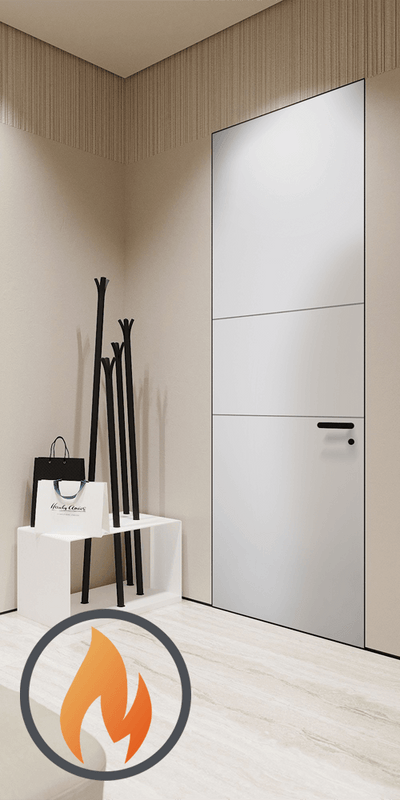
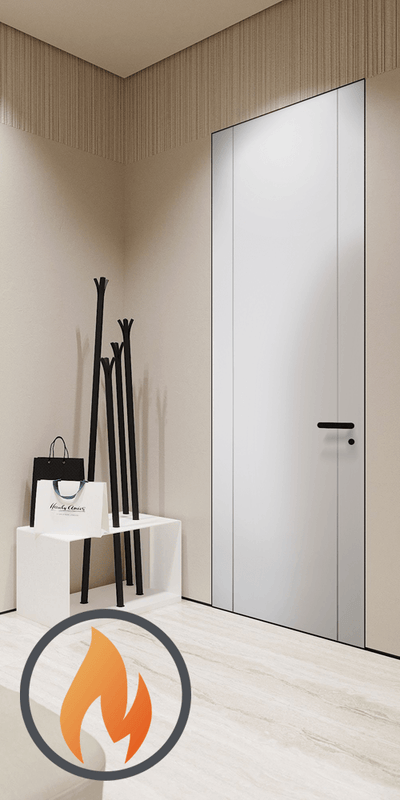
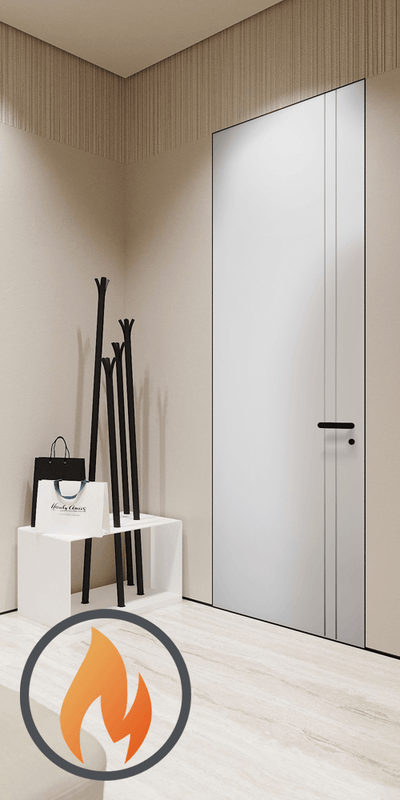
It is especially effective with streamlined contemporary doors, where every visible detail matters. A simple black lever on a flush door, for example, adds a deliberate accent to a broad, uninterrupted plane. On a more traditional door, the same finish can make classic paneling feel more tailored and modern.
Consider the whole opening, not just the handle. Hinges, latch plates, privacy turns, and other visible hardware contribute to the final impression. A consistent finish helps the door read as one resolved element.
If you’re selecting a door and hardware together, browse modern European interior doors and swing doors for styles that can suit a clean, coordinated scheme.
The most reliable pairings balance the hardware’s dark outline with the door’s texture, color, or profile. You don’t need a dramatic contrast: subtle differences in tone and surface can be enough.
Flush doors: A flush door has a smooth, flat face, often designed to align neatly with its frame or wall. Its minimal surface gives matte black hardware room to register as a crisp detail. For a seamless look, keep the door and wall close in color and let the lever provide the contrast.
Natural wood tones: Oak, walnut, and other wood finishes bring warmth and visible grain. Matte black sets off that natural variation without competing with it. Lighter woods create a more pronounced contrast; darker woods feel quieter and more tonal. Choose a handle shape that complements the grain and lines of the door rather than adding unnecessary decoration.
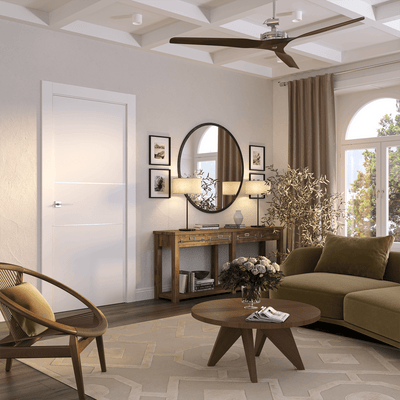
Painted doors: White, warm gray, taupe, and muted earth tones all work well. On a pale painted door, black hardware reads clearly; on a deeper color, it can blend into the surface for a subtler effect. If you’re using a strong paint color, a sample or mock-up helps you check the balance in your room’s actual light.
Doors with defined profiles: Paneling or subtle texture can pair with black hardware, too. The guiding principle is proportion: a simple handle usually complements a detailed door, while a more sculptural profile can add interest to an otherwise plain surface.

For a finish-sensitive project or an unusual opening size, a custom-order interior door and frame can help you plan the door, frame, and visible hardware as one coordinated composition.
A home does not need one metal finish everywhere to feel cohesive. It needs a clear design logic. Matte black can act as a grounding finish, while warmer or brighter metals bring variation to lighting, cabinetry, plumbing, or furniture.
The simplest approach is to decide which metal leads in each area. Keep door hardware consistent through a hallway or connected set of rooms, then introduce a second finish through another category. For instance, matte black levers can sit comfortably alongside brushed brass lighting when the contrast feels intentional and both finishes suit the room’s palette.
A few rules make mixed metals easier to manage:

It can be, but “matte black” describes appearance, not the method used to create the finish. Durability depends on the hardware’s material, finish process, quality, and the conditions where it will be used.
For a typical interior residential door, a well-made matte finish can be a practical choice. If the door is in a high-traffic location, a damp area, or a demanding project, ask the supplier what finish is used and whether its care instructions and warranty fit your needs. Don’t assume every black coating performs the same way.
Matte surfaces often show fewer reflections than polished finishes, so minor smudges may be less noticeable. They are not fingerprint-proof, however. Oils, lotion, dust, and water marks can still appear on a frequently handled lever. Scratches may also stand out if they expose a lighter layer beneath the finish.
For routine care, use a soft cloth, warm water, and mild soap if needed, then dry the hardware. Avoid abrasive pads, scouring powders, harsh chemicals, and metal polishes unless the manufacturer specifically approves them. Strong cleaning products can damage a finish even when they seem suitable for metal.
Before you choose, check the manufacturer’s care guidance. That small step can prevent avoidable wear and help your hardware maintain its appearance over time.

The shape should suit the door, the room, and the people using it. Matte black works with both levers and knobs, so you can choose based on the experience and aesthetic you want rather than treating the finish as a reason to select one form over another.
A lever can contribute a horizontal line to a clean, contemporary door and is easy to operate with a hand or forearm. A knob gives the door a more compact, rounded focal point and can suit traditional or transitional interiors. If ease of use is a priority, consider who will use the door and how comfortably they can operate the hardware.
Whichever shape you select, confirm that it is suitable for the door type and intended use. Hardware for a hinged swing door differs from fittings designed for other door systems. Plan privacy functions and visible accessories at the same time, particularly for bathrooms and bedrooms.
A short specification review can help the finish look consistent and work well after installation.
Matte black door hardware is a versatile finishing choice because it can sharpen a minimal flush door, complement warm wood, and bring definition to painted surfaces. Its success comes from thoughtful coordination: choose a finish suited to the use, make metal mixing intentional, and treat the handle as part of the complete door package. When the details are planned together, the result feels polished rather than simply on trend.
A: Yes. Matte black creates a clean contrast with oak’s warm grain. Lighter oak produces a stronger outline, while medium or dark oak creates a more subdued pairing.
A: It may show oils, dust, or water marks, particularly on frequently used handles. A matte surface can reduce reflected glare, but it is not fingerprint-proof. Care depends on the specific finish.
A: Yes. Keep the finishes intentional: use matte black consistently across door hardware, then repeat brass in lighting or another element so it feels like a considered accent.
A: Start with a soft cloth and warm water; use mild soap if needed, then dry the hardware. Avoid abrasive materials and harsh cleaners, and follow the manufacturer’s care instructions.
Trade Program
Are You a Trade Professional?
Architects, designers, and contractors receive exclusive pricing and dedicated project support.
Learn About Trade Pricing →Get Started
Our team can help with product selection, sizing, and specification — at no charge.


