My shopping cart
Your cart is currently empty.
Continue Shopping
Choosing between door levers vs. door knobs is not only a matter of personal taste. The right hardware affects how comfortably you move through your home, how accessible each room feels, and how well your doors support the overall interior design.
A door lever is operated by pressing or pushing a horizontal handle downward. A door knob requires you to grasp and rotate a rounded piece of hardware. Both can be beautifully designed, but they perform differently in busy kitchens, bathrooms, bedrooms, hallways, and aging-in-place homes.
The best choice depends on four factors: ergonomics, style, maintenance, and the type of door you are specifying. This guide explains the practical differences so you can make a confident decision for one room or an entire home.
The primary difference is how each hardware type operates.
Door levers
Door knobs
The hardware does not exist in isolation. The door’s weight, latch, hinges, frame alignment, and finish all affect the experience of opening and closing it.
For most households, door levers are easier to operate. You do not need to form a firm grip or rotate your wrist. That makes a meaningful difference when your hands are wet, full, tired, or affected by arthritis or reduced dexterity.
A lever is particularly convenient in:
A knob can still be comfortable for people with good grip strength and hand mobility. Its operation is familiar, and many homeowners prefer the tactile feel of a rounded form. However, it demands more precise hand movement.
When comparing door levers vs. door knobs, consider the entire household rather than only the person installing the hardware today.
In most cases, yes. Door levers are the more practical choice for aging in place and universal design.
Aging in place means planning a home so it remains comfortable and usable as your needs change. This may include reduced grip strength, arthritis, limited wrist movement, balance concerns, or the use of a cane or mobility aid.
A lever can generally be pushed down with:
A round knob usually requires a firm grasp and wrist rotation. That can become difficult after an injury or for anyone with limited finger dexterity.
For accessible residential design, use these principles:
Accessibility standards can apply differently depending on the building type and project scope, so confirm requirements with your architect, contractor, or code professional. Even when a private residence is not required to meet commercial accessibility standards, lever hardware is a sensible universal-design upgrade.

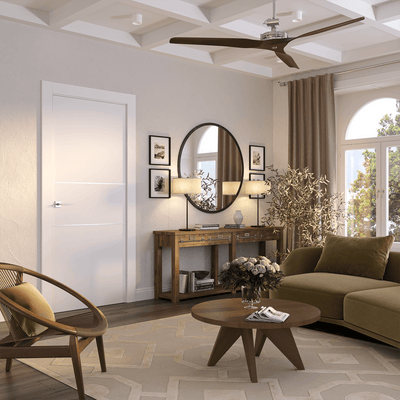
Modern European doors typically emphasize clean planes, precise lines, slim profiles, and carefully controlled material transitions. For that reason, minimalist door levers are often the most natural pairing.
A straight or gently shaped lever complements:
The lever becomes part of the door’s architectural language without overwhelming the surface.
Knobs can also work with European-style doors, especially when the interior has warm wood, rounded furniture, classic detailing, or a deliberate contrast between traditional and modern elements. A small round knob can soften an otherwise severe flush door and add a subtle point of visual interest.
For a streamlined architectural effect, browse My City Doors’ Modern European Interior Doors and consider how the hardware profile relates to the door’s height, frame, and finish.
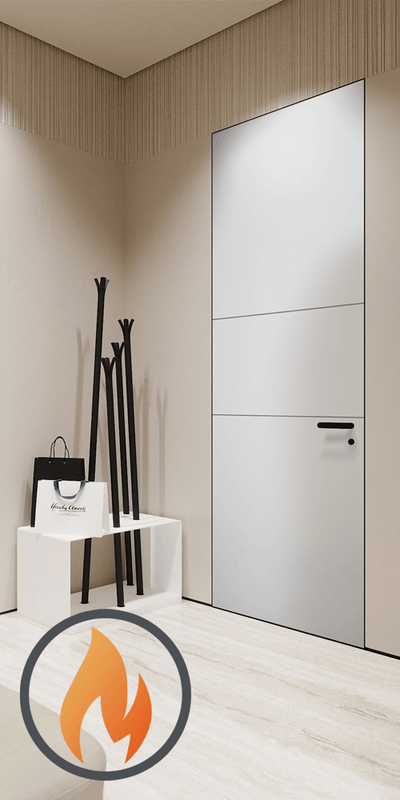
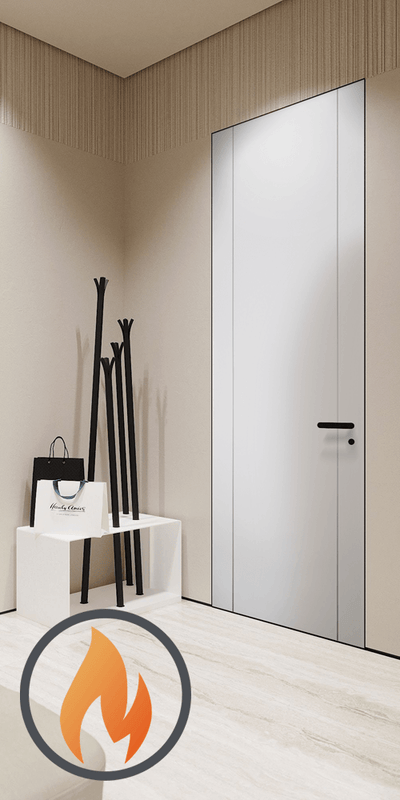
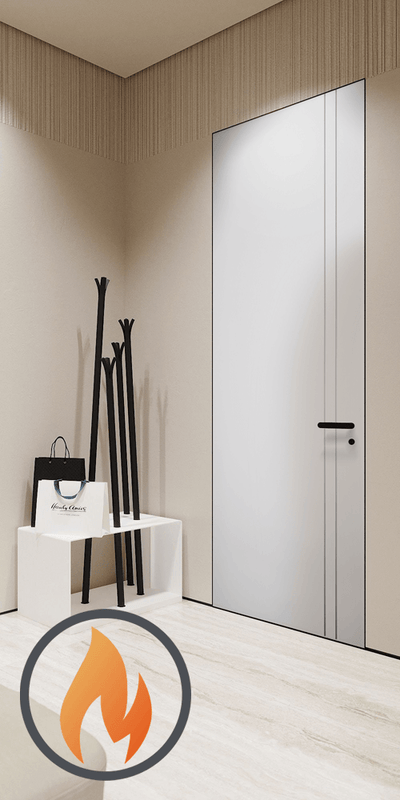
If the goal is a nearly seamless wall treatment, a discreet lever is usually more visually compatible than a prominent knob. This is especially true for Hidden Frame Interior Doors, where the door is intended to blend into the surrounding wall.
The hardware shape should reinforce the room’s design direction.
A rectangular lever in satin nickel or matte black gives a door a crisp, architectural quality. A curved lever can feel softer and more traditional without sacrificing ease of use.
A knob’s compact shape can be elegant, but it may appear visually disconnected from a very tall, minimalist door if the proportions are not considered carefully.
The most important design rule is consistency. You do not necessarily need the same hardware shape on every door, but the choices should feel intentional.
Neither option is maintenance-free, but the finish often matters more than the shape.
Polished chrome, polished brass, and high-gloss finishes can show fingerprints and water spots quickly. Brushed or matte finishes are usually more forgiving in busy homes.
For routine cleaning:
Levers have more surface area and a pivot joint, so pay attention to the underside and the area where the handle meets the rosette. Knobs are compact and simple to wipe, but grooves, textured finishes, and decorative escutcheons can hold dust and residue.
In bathrooms and kitchens, choose a durable finish and clean frequently rather than relying on aggressive products.

Designers and architects should treat door hardware as part of the project’s finish schedule, not as a last-minute accessory.
Use this process:
Map the home by use.
Review door type and scale.
Coordinate the finish family.
Use repetition thoughtfully.
Hardware does not have to match every faucet, cabinet pull, and light fixture exactly. It should, however, share a deliberate relationship in tone, sheen, or visual weight.
Test before approving.
Place finish samples next to the actual door finish and frame. A hardware color that looks correct on a screen may appear noticeably different beside natural wood or textured laminate.
For projects requiring exact dimensions, coordinated frames, or a consistent door package, review the Custom Interior Doors collection before finalizing the hardware schedule.
If you are updating only one room, start with function.
Choose a lever if the door serves a kitchen, bathroom, laundry room, home office, or frequently used hallway. It is also the better choice if anyone in the home has arthritis, reduced grip strength, or a long-term mobility concern.
Choose a knob if:
If you are replacing only one piece of hardware, match the existing finish first. A different shape can look intentional; a mismatched finish often looks accidental.
For space-saving rooms, consider whether the door itself should change. Sliding Interior Doors can improve circulation, while pocket doors reduce swing clearance in compact bathrooms, offices, and closets.
For most modern homes, door levers are the stronger default. They offer better everyday ergonomics, support aging in place, and pair naturally with modern European door designs.
Door knobs remain a good choice when their compact shape and classic character support the room’s design. Use them deliberately rather than automatically.
When comparing door levers vs. door knobs, ask one final question: Will this hardware remain comfortable, coordinated, and easy to use for everyone who lives here? If the answer is yes, the choice is right.
A: Yes. Door levers generally require less grip strength and wrist rotation because they can be pushed down with a palm, forearm, or closed fist. This makes them convenient for busy rooms and people with limited dexterity.
A: In most homes, yes. Levers support one-handed operation without the firm grasp and twisting motion required by many round knobs. Proper door alignment and low operating force are also important.
A: Not necessarily. A simple, minimal knob can create a refined contrast on a modern wood or flush door. However, slim levers usually create a more seamless architectural look on contemporary and hidden-frame doors.
A: Both are easy to maintain when cleaned with a soft cloth and mild soap. Levers require attention underneath and around the pivot, while knobs may collect residue around grooves or the rosette. Matte and brushed finishes typically show fewer fingerprints.
A: Hardware does not have to be identical everywhere, but a consistent finish family and similar visual weight create a more cohesive interior. Designers may use levers in high-use areas and knobs in selected low-traffic rooms.
A: You can, but the combination should be intentional. Repeat each finish enough to establish a pattern, and consider coordinating by sheen or location. Mixing too many unrelated finishes can make the home feel visually fragmented.
Trade Program
Are You a Trade Professional?
Architects, designers, and contractors receive exclusive pricing and dedicated project support.
Learn About Trade Pricing →Get Started
Our team can help with product selection, sizing, and specification — at no charge.


