My shopping cart
Your cart is currently empty.
Continue Shopping
The best European interior doors in 2026 are doing more than separating rooms. They are shaping how a home feels, how daylight travels, and how efficiently every square foot is used.
The strongest designs are quiet rather than decorative. They use flush surfaces, concealed frames, slim glazing, natural wood, and carefully selected hardware to create visual continuity. A door may disappear into a wall, open a dark hallway to borrowed light, or eliminate the swing area that makes a compact room difficult to furnish.
That is why door selection should happen early in a renovation or new-build project. The right system affects wall construction, electrical planning, furniture placement, trim details, and the overall rhythm of the interior.
If you are comparing European interior doors for a modern home, focus on five questions:
This guide explains the design details shaping European interior doors in 2026 and how to apply them thoughtfully in your own project.
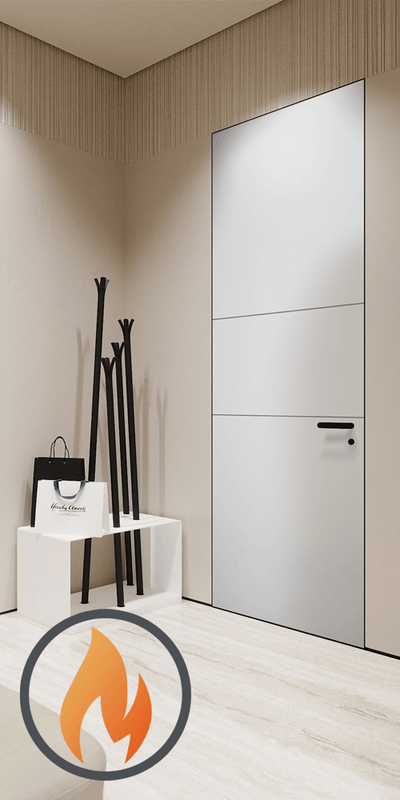
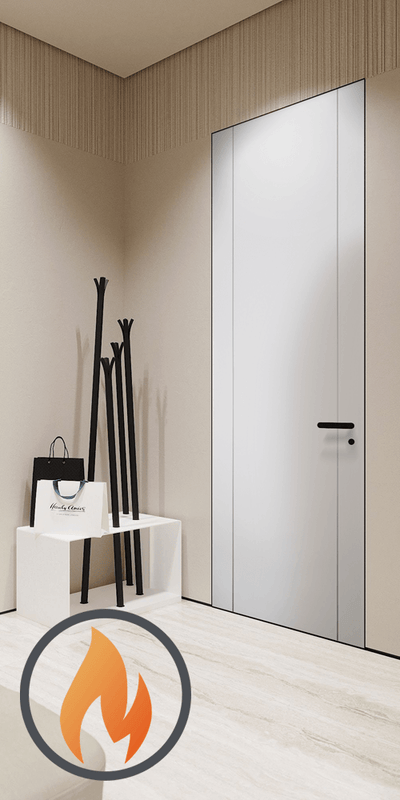
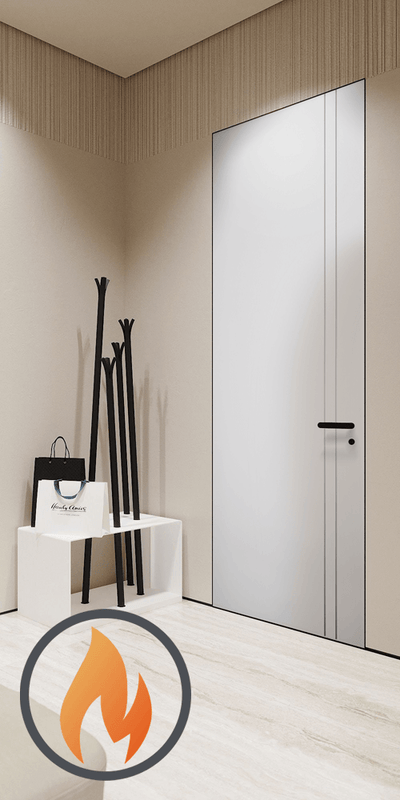
A flush door has a smooth, uninterrupted face. Unlike a traditional paneled door, it does not rely on decorative profiles to create visual interest. Its appeal comes from proportion, material, shadow lines, and precision.
A concealed-frame door takes this idea further. The frame is integrated into the wall so the casing is minimized or removed from view. When the door and wall share a similar finish, the opening can appear almost invisible.
This approach is especially effective when you want:
The detail that matters most is installation. A concealed frame cannot compensate for an uneven wall or poor alignment. For a refined result, the wall, frame, hinges, door leaf, and finish must be planned as one system.
A useful design principle is simple: the more minimal the door, the more precise the installation needs to be.
The right door style depends on the room, the available wall area, and the way you move through the home. There is no single best option for every opening.
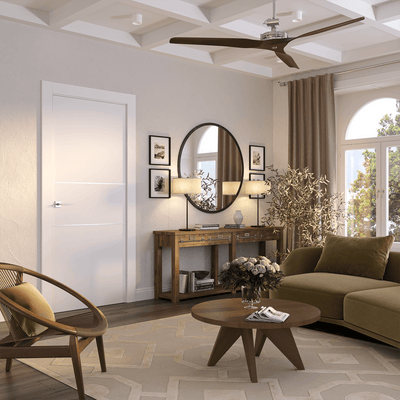
A swing door remains the most familiar choice for bedrooms, bathrooms, and offices. European-inspired versions often use a flat panel, concealed hinges, and a narrow, refined handle.
Choose a swing door when:
a. You have enough clearance for the door arc.
b. Acoustic separation and a firm closing action are important.
c. You want a straightforward solution with a timeless appearance.
For a modern effect, consider a tall flush leaf in a warm white, soft gray, charcoal, or natural wood finish. The handle should be proportional to the door and coordinated with nearby lighting, plumbing, and cabinet hardware.
A pocket door slides into a cavity inside the wall. Because it does not swing into the room, it can free valuable floor area for furniture, fixtures, and circulation.
Pocket doors are practical for:
The main planning issue is the wall cavity. Plumbing, electrical wiring, structural supports, and built-in storage may limit where a pocket door can be installed. It is important to confirm these conditions before framing begins.
A flush pocket door is particularly elegant because both the movement and the panel remain visually restrained. Use a recessed pull or another low-profile handle so the door can disappear when closed.
Bypass doors use two or more panels that slide past each other on parallel tracks. They are useful where a wide closet opening cannot accommodate a pair of swinging doors.
Their strengths include:
One limitation is that the panels overlap, so the entire opening is not visible at one time. For a closet, that is usually a reasonable trade-off. For a pantry or storage area that requires full access, a bi-fold system may be more convenient.
You can review available modern options in the Bypass Doors collection, along with other featured door solutions suited to contemporary interiors.
Glass interior doors are becoming more sophisticated. The goal is not always to create a completely open-plan room. Often, the goal is to preserve separation while allowing light to travel between spaces.
A glass door can connect:
Clear glass creates the strongest visual connection. Frosted or reeded glass provides more privacy while still allowing daylight to pass through. The frame also changes the character of the opening. Slim black profiles create contrast and definition, while bronze or softer metallic finishes create a warmer, more residential mood.

For homes that need both flexibility and privacy, textured glass is often the most balanced choice. It softens views without making the room feel closed.
Minimalism does not mean an interior should feel cold. In 2026, the most successful European door schemes balance smooth architectural lines with materials that add warmth.
Natural oak and walnut remain strong choices because they bring depth without relying on bold color. A vertical grain can make a door feel taller, while a calmer grain pattern supports a quieter wall composition.
Consider these finish directions:
The finish should relate to the rest of the room. A common mistake is selecting a door color in isolation. Instead, compare it with the floor, wall paint, millwork, cabinetry, and window frames in the same natural light.
A door does not need to match every element exactly. It should, however, belong to the same material conversation.
Hardware is a small element with a large visual effect. On a minimalist door, even a modest handle becomes a focal point because there are few other details competing for attention.
The 2026 direction favors hardware that feels integrated rather than ornamental:
Choose one hardware language for the surrounding space. If your door handle is brushed bronze, repeating that finish in a nearby light fixture or cabinet pull can make the room feel considered. You do not need to match every metal in the home, but random combinations can weaken the sense of cohesion.
Function comes first. The handle should feel comfortable in the hand, the latch should operate smoothly, and the closing action should suit the room.
A concealed door is not always the most effective choice. Some openings deserve to be noticed.
Use a more expressive door when:
The key is restraint. If the door is the statement, keep the surrounding finishes edited. A bold door surrounded by competing tile, artwork, lighting, and furniture can lose its impact.

Start with the function of the room, then refine the visual design.
Prioritize privacy, acoustic comfort, and a door that supports rest. A solid flush door in painted white, soft gray, oak, or walnut is versatile and enduring. Taller proportions can give the bedroom entrance a more finished architectural presence.
Moisture-resistant construction and reliable hardware matter more than decorative complexity. A pocket door can improve circulation in a compact bathroom, while a concealed-frame swing door creates a seamless wall treatment.
Glass is useful when you want daylight and a sense of connection. Choose reeded or frosted glazing if screens, paperwork, or video calls require privacy.
Bypass, pocket, or bi-fold configurations can be more efficient than a standard swing door. Natural wood adds warmth, while a wall-matched finish allows the storage zone to recede.
Use glazed doors to define zones without returning to a closed-off layout. Slim frames and large glass panels maintain a sense of spaciousness and provide a refined transition between rooms.
For a broader selection of contemporary European-inspired styles and configurations, browse the Modern European Interior Doors collection.
Before finalizing your door selection, confirm the details that affect both performance and appearance.
If you are working with an interior designer, architect, or contractor, share the complete opening schedule before fabrication. This helps coordinate sizing, hardware, finish, and installation requirements in one place.
European interior doors in 2026 are defined by clarity. Flush surfaces, concealed frames, generous proportions, natural materials, refined glazing, and space-saving movement systems are helping modern homes feel calmer and more intentional.
The right door can make a hallway appear taller, bring daylight into a darker room, improve circulation, or give a large opening a sense of structure. It can blend quietly into a wall or provide a warm material accent at the end of a carefully composed view.
Begin with the practical problem. Decide whether you need privacy, light, flexibility, storage access, or additional floor space. Then select the movement type, finish, glazing, and hardware that support that purpose.
A successful door does not simply look beautiful in a photograph. It works naturally every day and strengthens the design of the entire home.
A: European interior doors are design-focused door systems known for clean proportions, refined finishes, concealed hardware, and practical configurations such as swing, pocket, sliding, bypass, bi-fold, and glazed doors.
A: Yes. Flush doors create a smooth, uninterrupted appearance that works well with minimalist, contemporary, and transitional interiors. They can also be painted to match the wall or finished in natural wood.
A: A flush door has a smooth, flat face. A concealed-frame door also minimizes or hides the surrounding frame and trim, allowing the door to blend more seamlessly into the wall.
A: Pocket doors are highly practical where floor space is limited because they do not require a swing area. Before installation, confirm that the wall has enough depth and does not contain plumbing, wiring, or structural obstructions.
A: Clear glass provides the most openness, while frosted or reeded glass offers more privacy. Textured glass is often a strong compromise because it allows daylight through while softening views.
A: Matte painted surfaces, light oak, walnut, and subtle textured finishes are versatile choices. Select a finish that relates to the flooring, cabinetry, wall color, and other architectural materials in the room.
A: Choose a pocket door when the panel should disappear into the wall, a bypass door for wide closet openings with limited swing clearance, and a bi-fold door when you want broad access with the panels folding to one side.
A: Slim lever handles, recessed pulls, concealed hinges, matte black, brushed bronze, satin brass, and graphite finishes complement minimalist doors without overwhelming their clean architectural lines.
Trade Program
Are You a Trade Professional?
Architects, designers, and contractors receive exclusive pricing and dedicated project support.
Learn About Trade Pricing →Get Started
Our team can help with product selection, sizing, and specification — at no charge.


